
See 11 Powerful Works From a New Book Celebrating the Greatest Women Artists in History
When the art historian Horst Waldemar Janson’s History
of Art was first published in 1962, the book—which has
since become the definitive art history textbook in the West—did
not name a single female artist. The omission was not rectified
until the 1986 edition was released.
In recognition of that historical imbalance, Phaidon has teamed
up with Kering, the parent company of Gucci, Yves Saint
Laurent, and other luxury brands, to release Great Women
Artists, a massive volume illustrating the artistic genius
of 400 women (whittled down from an initial list of 1,000 names)
representing more than 50 countries.
The book takes its title from Linda Nochlin’s famed essay “Why
Have There Been No Great Women Artists?” Her 1971 text, now a
staple of college art history courses, examines the societal
conditions that have led to the male domination of the art world.
But by crossing out the word women on the book’s cover, Phaidon
asks readers to consider the book’s subjects as artists first and
foremost.
Billed as “the most extensive fully illustrated book of women
artists ever published,” Great Women Artists celebrates
female artistic genius across the centuries, with artists from 500
years of art history included. Organized alphabetically, the book
includes a brief biography of each artist alongside an example of
her work.
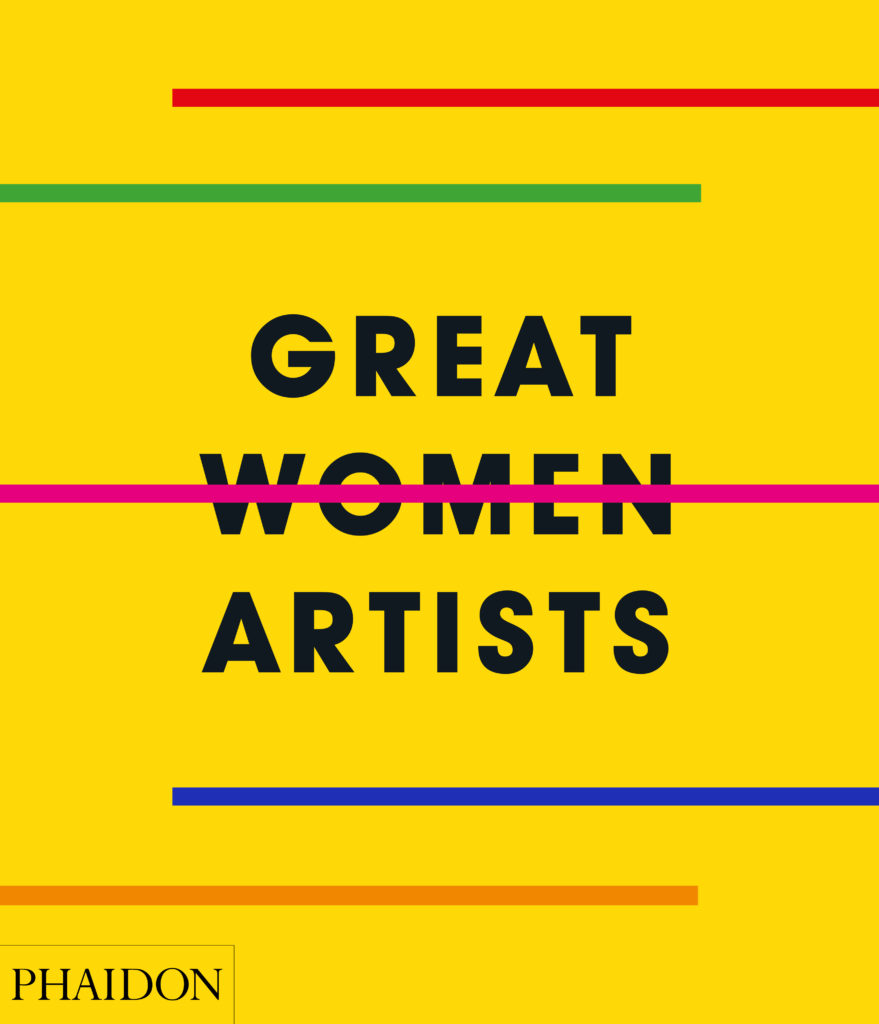
The cover of Great Women
Artists.
Included in the publication are A-listers like Georgia O’Keeffe,
Mary Cassatt, Diane Arbus, Yayoi Kusama, and Kara Walker, as
well as less familiar figures, such as Constance Marie
Charpentier, a French artist who lived from 1767 to 1849. Readers
will also be introduced to emerging names including Tschabalala
Self, born in 1990. The publication makes the case that all of them
have earned a place in the canon alongside their better-known male
counterparts.
In conjunction with the book, Phaidon and Artspace are releasing
a charitable portfolio of
limited-edition prints that will benefit Promundo-US, a
nonprofit that works to promote gender justice.
See some of the works included in the book below.
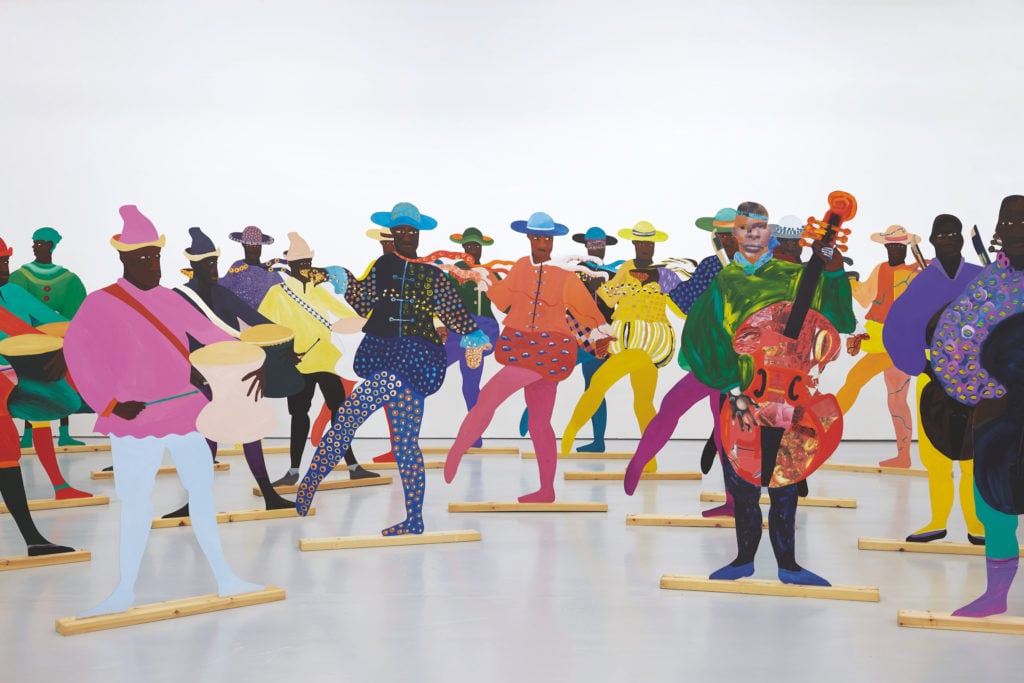
Lubiana Himid, Naming The Money
(2004, detail). Courtesy of the artist, Hollybush Gardens and
National Museums Liverpool. Photo courtesy Spike Island and Stuart
Whipps.
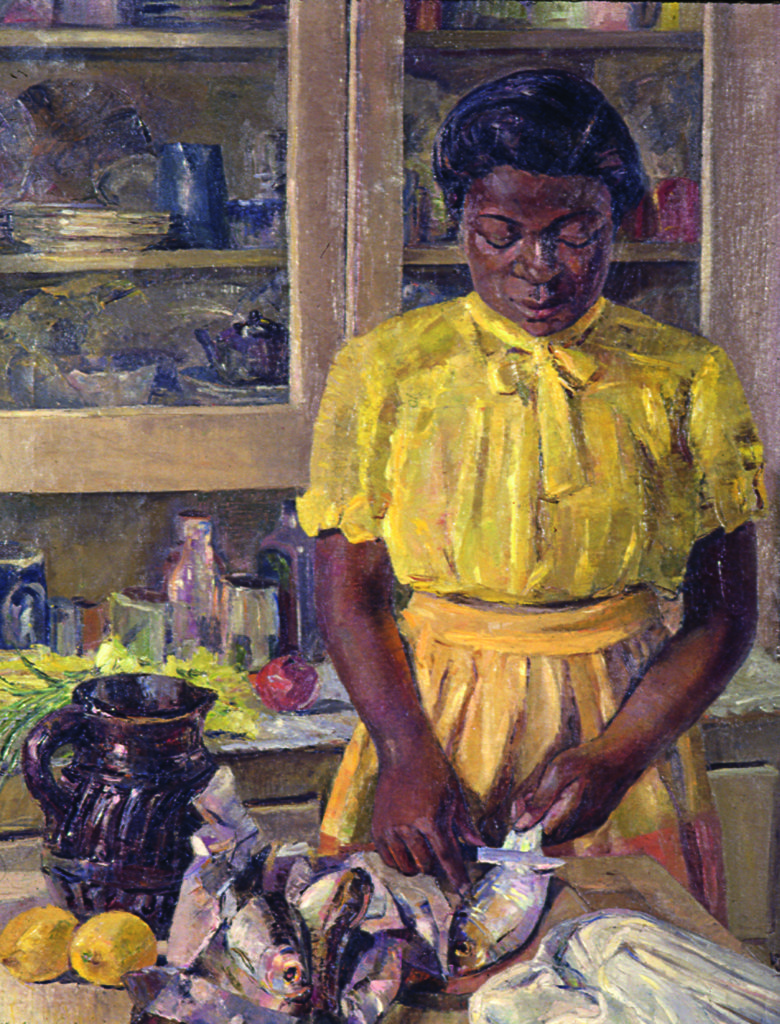
Loïs Mailou Jones, Jennie (1943).
Courtesy of Loïs Mailou Jones Pierre-Noel Trust.
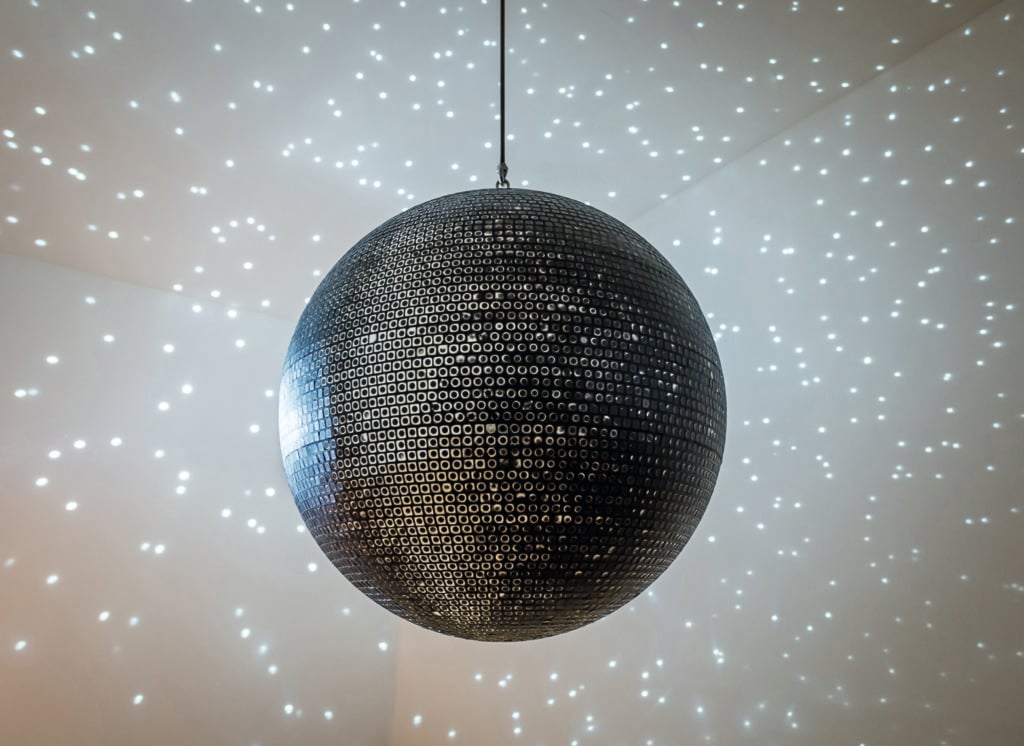
Katie Paterson, Totality (2016).
Photo © and courtesy the artist/The Lowry, Salford/Ingleby Gallery,
Edinburgh.
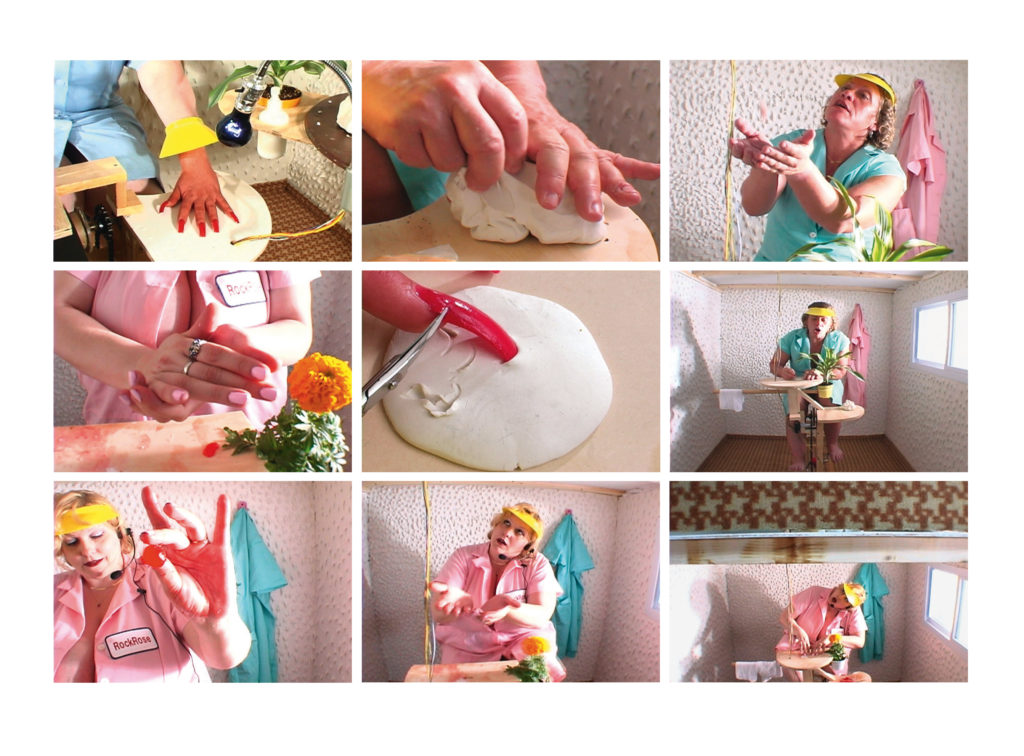
Mika Rottenberg, Mary’s Cherries
(2004). Photo © the artist/Fund for the Twenty-First Century,
MoMA.
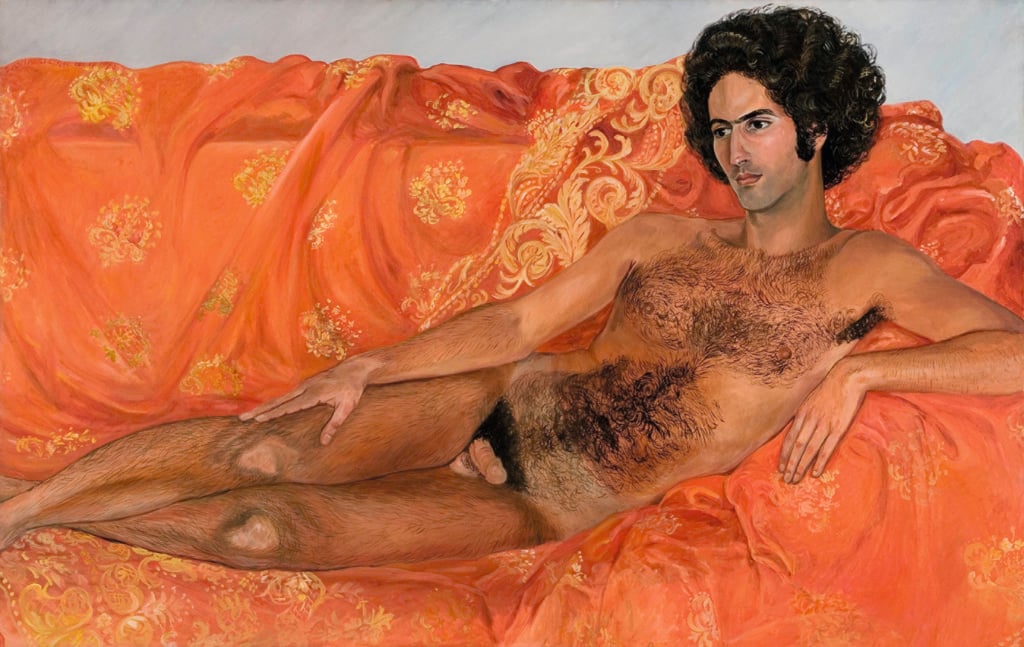
Sylvia Sleigh, Imperial Nude: Paul
Rosano (1977). Courtesy of Estate Sylvia Sleigh.
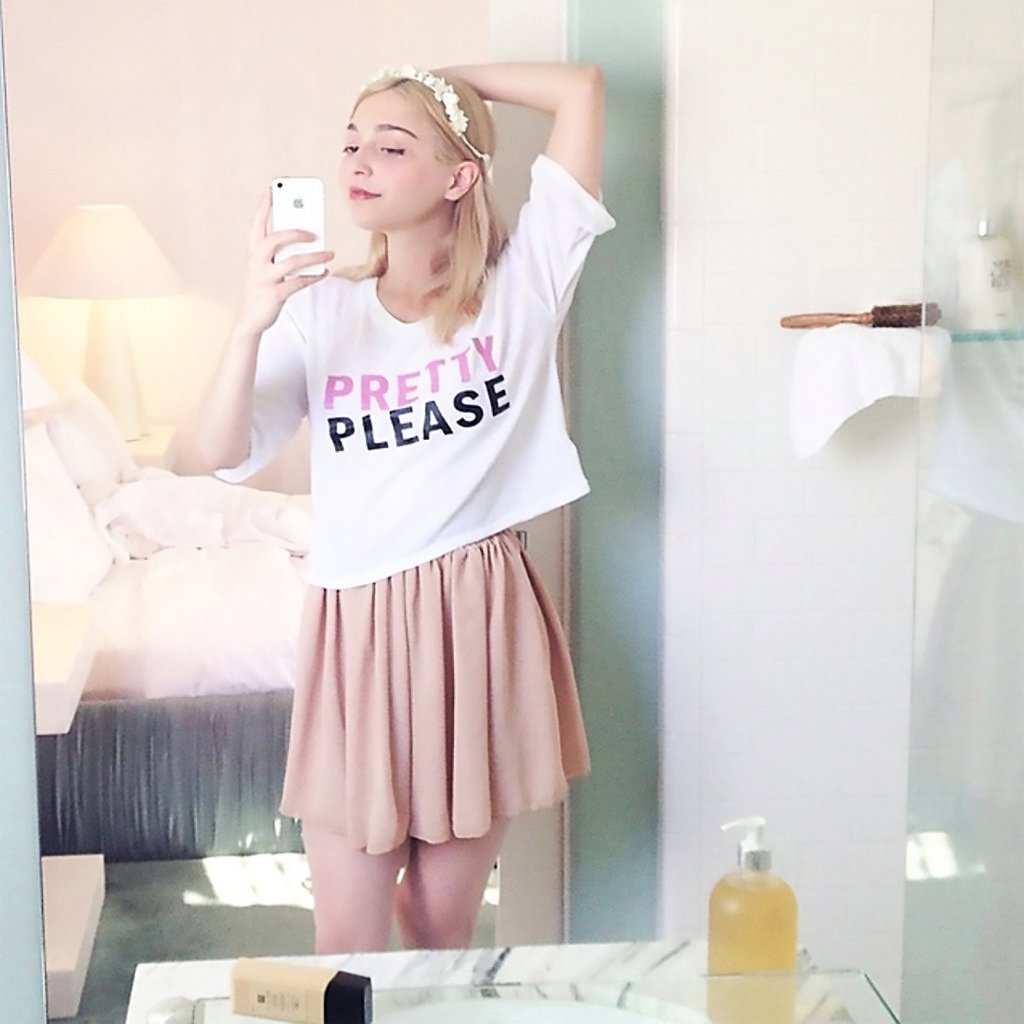
Amalia Ulman, Excellences &
Perfections, Episode 1 (2014). Picture credit: © and courtesy
of the Artist and Arcadia Missa.

Diane Arbus, Identical Twins,
Roselle, N.J., 1966 (printed between 1967 and 1970). © The
estate of Diane Arbus.

Eleanor Antin, 100 Boots Looking for
a Job, San Clemente, California, 1972 (1972). Courtesy of the
artist and Ronald Feldman Gallery, New York.
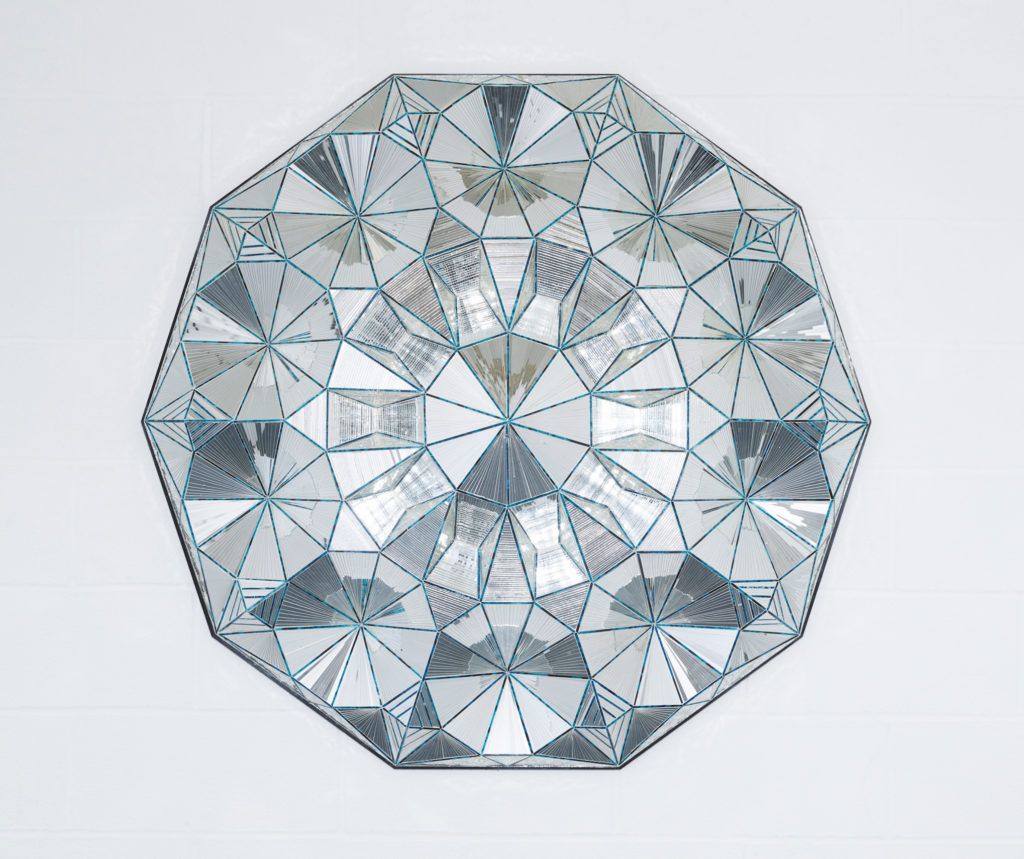
Monir Shahroudy Farmanfarmaian,
Decagon (Third Family) (2011). Courtesy the Third Line
Gallery, Dubai, UAE/Robert Divers Herrick.
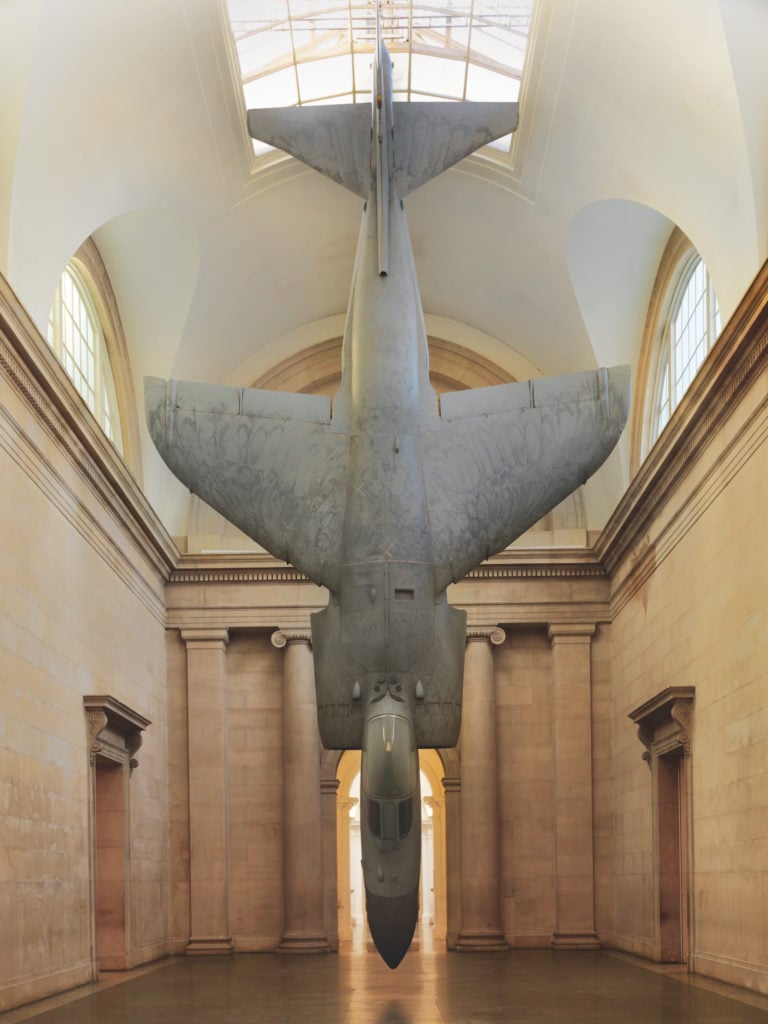
Fiona Banner, Harrier (2010).
Copyright the artist. Courtesy the artist and Frith Street Gallery,
London. © Tate Photography/Andrew Dunkley and Sam Drake.
The post See 11 Powerful Works From a New Book Celebrating
the Greatest Women Artists in History appeared first on artnet
News.
Read more https://news.artnet.com/art-world/great-women-artists-book-1706142
Further reading


Leave a comment