
6 Amazing Global Art Destinations for the Luxury Traveler, From a Museum Atop a Japanese Skyscraper to a Light Show in the Outback
As much as we love experiencing
art close to home, seeing some of the world’s most captivating
works requires packing. The truly committed will book flights,
check bags, and endure hours of travel to experience the limits of
human imagination, and how it manifests in groundbreaking works of
art.
Luckily, when they arrive, there
are opulent hotels to check into, Michelin-starred restaurants to
visit, and more than one rooftop pool to enjoy—alongside, of
course, the opportunity to experience a new
culture.
From the beaches of Rio to a
Nile River island, we’ve rounded up six of the most exciting art
destinations from around the world—and explained how you can enjoy
them in the most luxurious way possible.
Mori Art Museum
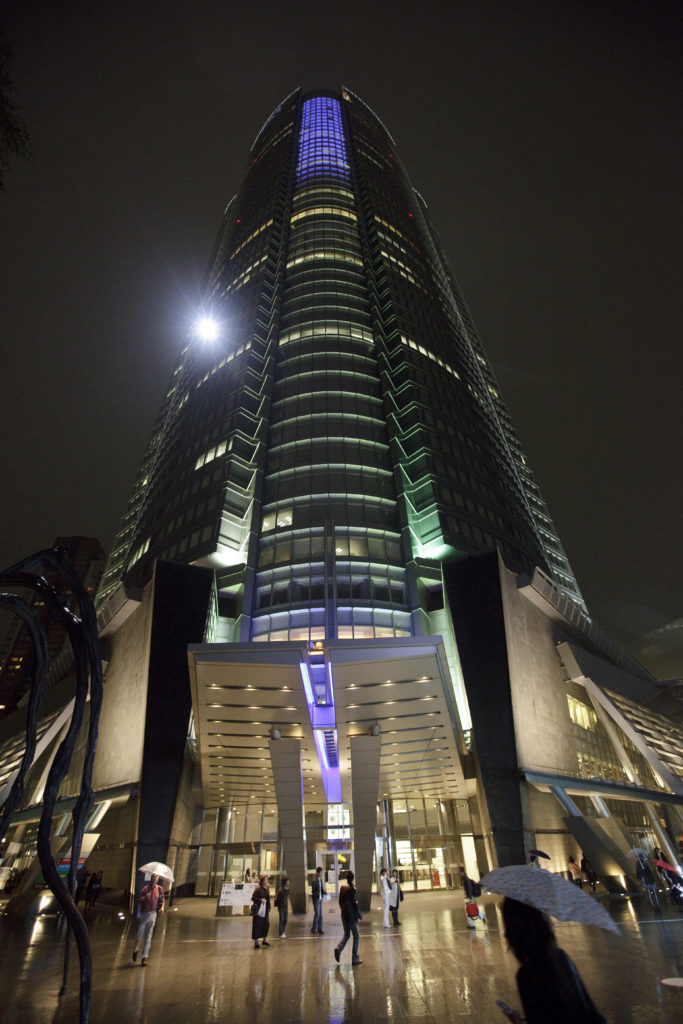
The 48-story tower, atop which sits the
Mori Art Museum. Photo courtesy Getty Images.
WHAT IT IS: Located on
the top five floors of a Tokyo skyscraper, the Mori Art Museum
houses contemporary art with an emphasis on thought-provoking
ideas. With no permanent collection, exhibits rotate roughly every
two to three months, featuring works from up-and-coming artists and
internationally acclaimed superstars.
WHERE IT IS: At the top
of a skyscraper in Tokyo’s Roppongi Hills
neighborhood.
WHERE TO STAY: Hoshinoya
Tokyo, a luxurious take on the traditional Japanese
ryokan, or inn, emphasizes the country’s culture, asking
guests to remove their shoes on arrival and providing kimonos in
each room. A thermal bath, located on the 17th floor, pulls its
mineral-rich water from 1,500 meters below the hotel
itself.
WHERE TO EAT: Nishiazabu
Taku, a two-Michelin-star venue, which serves some of the world’s
finest sushi and stands out for its innovative wine
pairings.
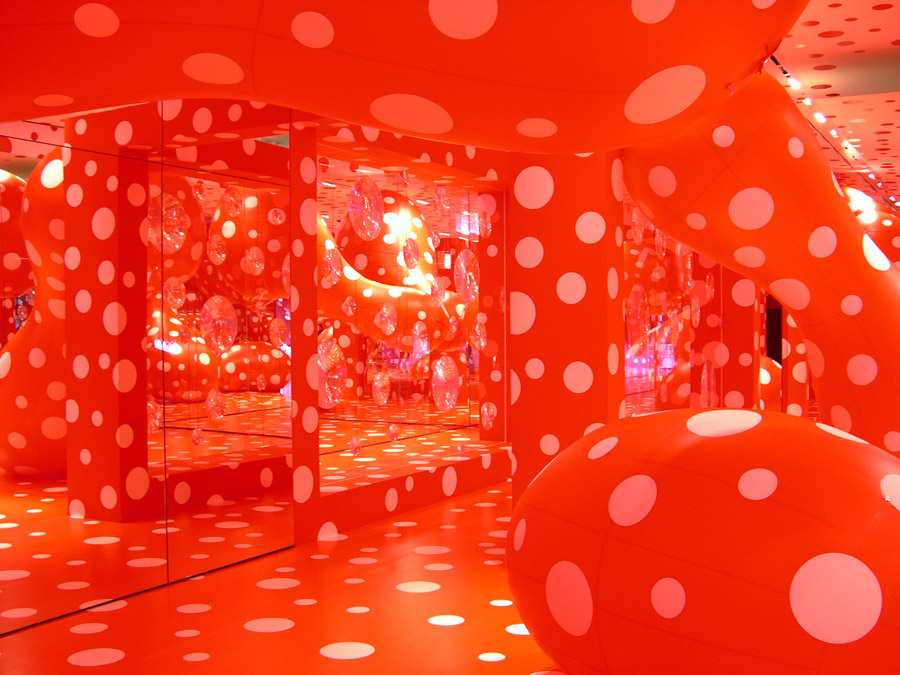
Installation view of Yayoi Kusama’s Dots
Obsession in ‘Kusamatrix’, Mori Art Museum, Tokyo, 2004. Photo
courtesy Getty Images.
WHERE TO SHOP: Archive
Store, a subterranean temple to the most-coveted Japanese and
international designers, including Rei Kawakubo, Yohji Yamamoto,
and Raf Simons.
OTHER ART TO SEE: teamLab
Borderless, a partnership between Mori and the art-tech collective
teamLab, is an immersive digital art museum that allows visitors to
interact with the exhibits. (You can even draw creatures that come
alive within the museum’s virtual ecosystem.) A crowd favorite, it
drew more visitors than any other
single-artist destination in 2019.
FUN FACT: Just one floor
above the museum, an observation deck offers a stunning view of
“the art that is the city” at 270 meters above sea
level.
Gezira Center for Modern
Art
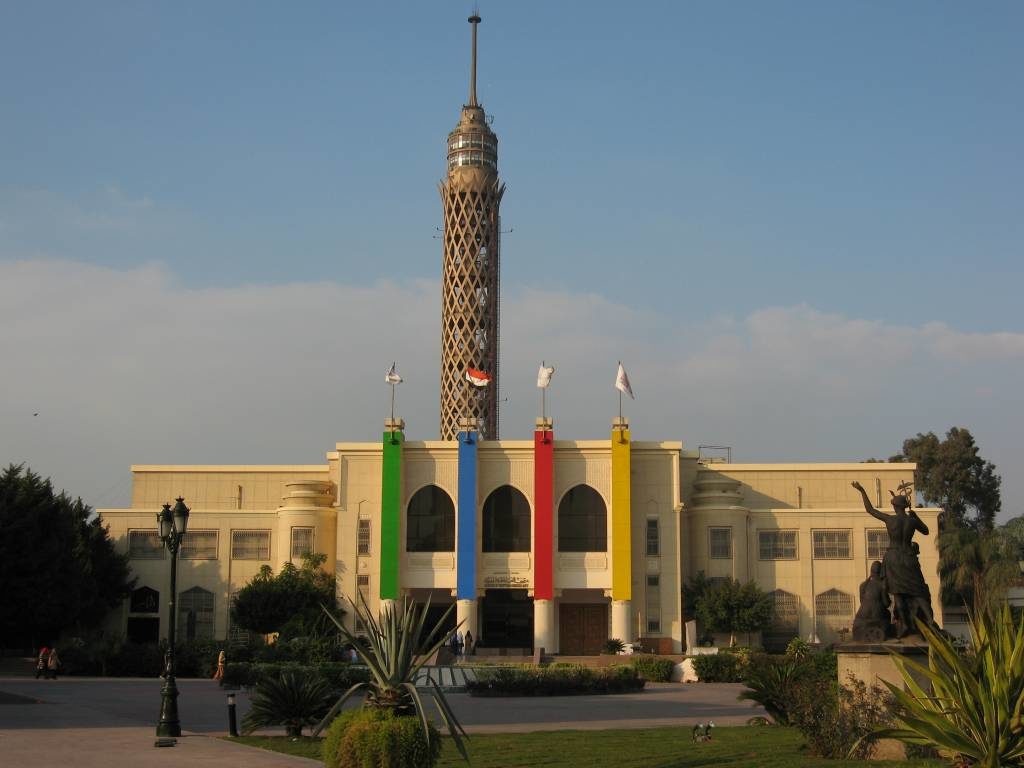
The Gezira Center for Modern Art. Photo
courtesy Getty Images.
WHAT IT IS: A museum for
modern and contemporary art with over 10,000 works documenting the
development of Egypt’s art movements from the early 20th century to
date. Located on the well-groomed grounds of the Cairo Opera House,
the permanent collection includes works by Mahmoud Mokhtar, Mahmoud
Said, and Youssef Kamel.
WHERE IT IS: On Gezira,
an island located on the Nile River in central
Cairo.
WHERE TO STAY: Le Riad
Hotel de Charme, a colorful boutique hotel in the center of Old
Cairo, with 17 suites inspired by the history and style of the
Fatimid empire.
WHERE TO EAT: The
Revolving Restaurant on the 41st floor of the Grand Nile Tower,
which rotates 360 degrees every 75 minutes—meaning guests may begin
their evening with appetizers and a view of the Pyramids, but enjoy
dessert over the River Nile.
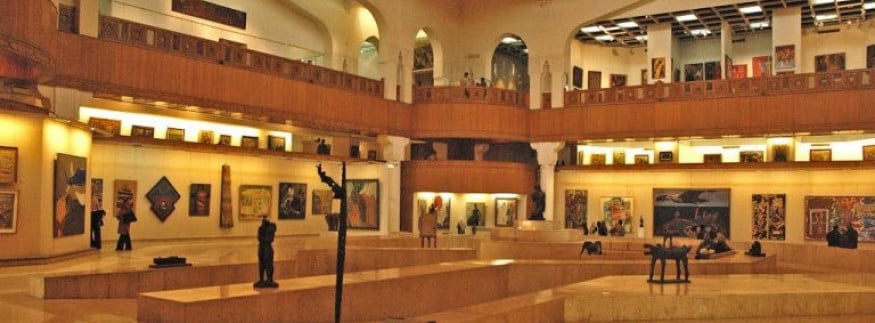
Inside the Gezira Center of Modern Art.
Image courtesy the Gezira Center of Modern Art.
WHERE TO SHOP: Azza Fahmy
for handcrafted gold and silver jewelry, and Ego for high-end
fashion.
OTHER ART TO SEE: No trip
to Cairo is complete without a visit to the Museum of Egyptian
Antiquities and the Pyramids of Giza. The Grand Egyptian Museum,
which is set to become the largest archaeological museum in the
world, will open later this year.
FUN FACT: The collection
that became the Gezira Center for Modern Art was originally
assembled in 1931 and was housed in the Mousiri Palace.
Bruce Munro’s Field of
Light, Uluru
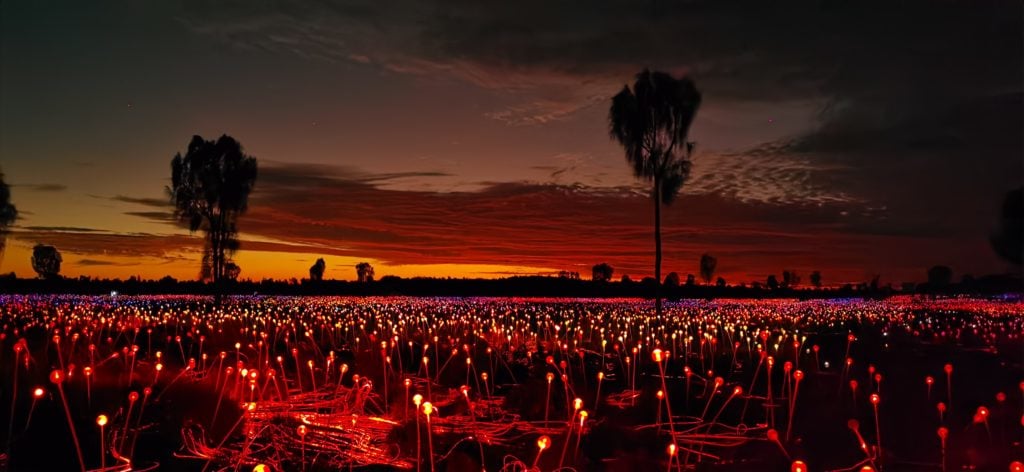
Bruce Munro’s Field of
Light in Uluru. Photo by James D. Morgan/Getty Images for
Huawei.
WHAT IT IS: The largest
and most remote iteration of Bruce Munro’s celebrated
Field of
Light. At the base of
Uluru, 50,000 solar-powered, fiber-optic spheres illuminate an area
of the Australian outback the size of four professional soccer
pitches. Munro has said he first had the idea for the installation
while camping at this site in 1992.
WHERE IS IT: Uluru, a
sacred sandstone rock formation, in the heart of Australia’s “Red
Center,” about 280 miles away from Alice Springs.
WHERE TO STAY: Longitude
131, a luxury wilderness retreat that takes camping in the desert
to great heights. In addition to a spa and restaurant, concierges
are on hand to help plan bespoke experiences, from hiking tours and
camel rides, to scenic flights over the surrounding
area.
WHERE TO EAT: Sounds of
Silence, a four-hour outdoor dining experience, which combines a
desert sunset with a buffet inspired by bush-tucker (or native
Australian) cuisine, a live didgeridoo performance, and a star
talk, complete with telescopes.
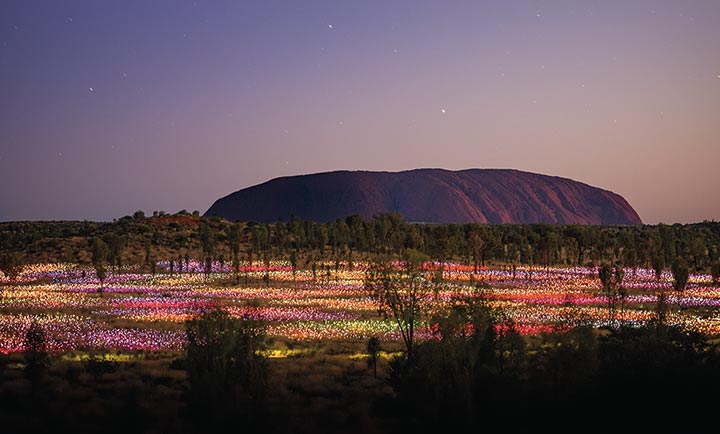
Munro’s work in Uluru. Photo courtesy
Getty Images.
WHERE TO SHOP: Tjanpi
Desert Weavers, a social enterprise in the nearest town of Alice
Springs that works with women living in remote deserts who make
woven sculptures, colorful baskets, and beaded jewelry.
OTHER ART TO SEE: Bruce
Munro’s Light
Shower, a delicate
cascading installation, at Sails in the Desert. The hotel is also
home to the Mulgara Gallery’s collection of original Indigenous
art.
FUN FACT: The
installation is powered by 36 portable solar panels, and its
optical fiber is reusable and will be recycled for use in other
installations.
MALBA (Museo de Arte
Latinoamericano de Buenos Aires)
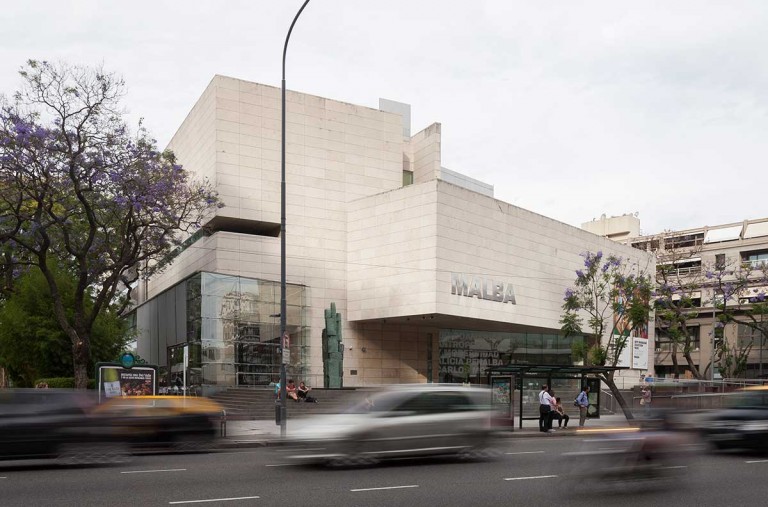
MALBA in Buenos Aires. Photo courtesy
MALBA.
WHAT IT IS: A museum
dedicated to preserving and championing Latin American art
worldwide. Founded in 2001 to showcase the personal collection of
Argentinian businessman Eduardo Constantini, MALBA has become known
for its impressive permanent collection—which includes works by
Diego Rivera and Antonio Berni—as well as diverse temporary
exhibitions. It also serves as a cultural center, offering film
screenings, literary talks, and children’s programs.
WHERE IT IS: On the
historic Avenida Presidente Figueroa Alcorta in Buenos
Aires.
WHERE TO STAY: Alvear
Palace Hotel, an opulent hotel with Louis XVI-style touches, which
opened in 1932 and has since become an icon of the city. Its
rooftop features a heated indoor pool and two terraces with
solariums.
WHERE TO EAT: Casa Cruz
serves up inspired Argentinean cuisine, from celebrated chef Germán
Martitegui, in a sultry interior of mahogany wood and red
banquettes
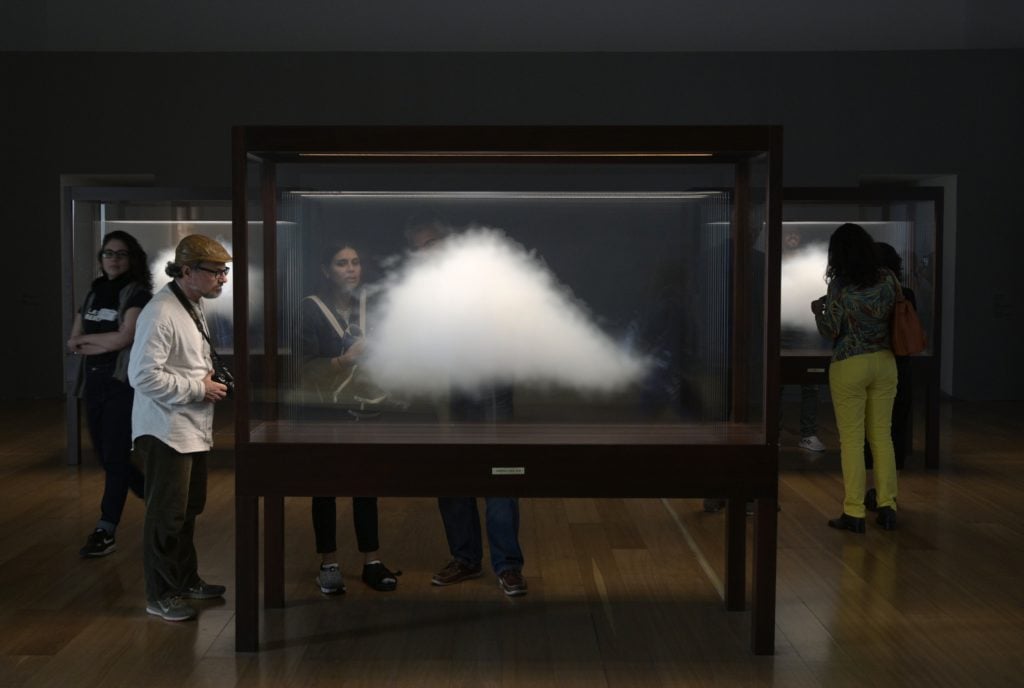
Leandro Erlich’s installation “Clouds”
at the Museum of Latin American Art (MALBA) in Buenos Aires on
October 2019. Photo courtesy Getty Images.
WHERE TO SHOP: Casa
Cavia, a beautifully designed concept store housed in a 1927
mansion that includes a flower shop, bookstore, perfumery, and
restaurant.
OTHER ART TO SEE: Herlitzka + Faria, Gachi Prieto, and Ruth
Benzacar Galería de Arte.
FUN FACT: The museum’s
design was selected out of 450 proposals in an open call contest.
The winners were three young Argentinian architects: Gastón
Atelman, Martín Fourcade, and Alfredo Tapia.
Galerie Atiss
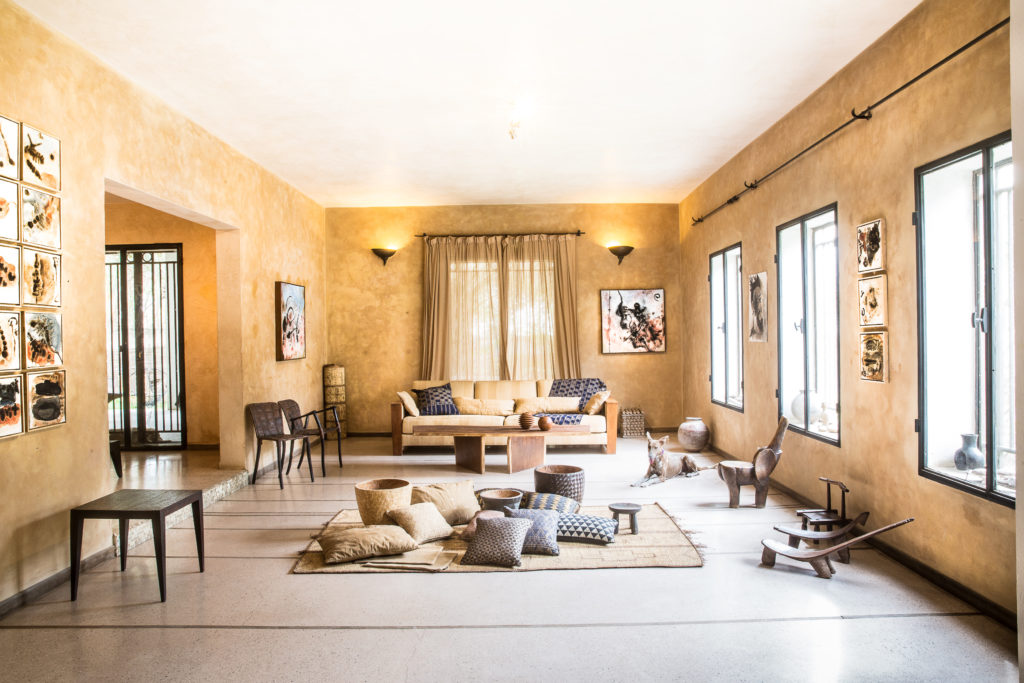
Inside Galerie Atiss. Photo courtesy
Galerie Atiss.
WHAT IT IS: Established
in 1996 by the Senegalese painter and textile designer Aïssa Dione,
Galerie Atiss showcases modern and contemporary African art. The
light-filled space features rotating exhibitions with works by
Serigne Mbaye Camara, Soly Cissé, Camara Guèye, and Ousmane Diop.
The gallery is closely connected with Dakar’s Biennale, Dak’Art,
which will celebrate its 30th anniversary this
year.
WHERE IT IS: In a
‘60s-era villa in Dakar, Senegal.
WHERE TO STAY: Radisson
Blu Hotel, Dakar Sea Plaza, one of the city’s sleekest and most
modern resorts, with breathtaking views of the Atlantic
Ocean.
WHERE TO EAT: On the
rooftop terrace of Bayékou, which fuses local produce and fresh
seafood with Mediterranean influences, in a relaxed setting
overlooking Ngor Beach.
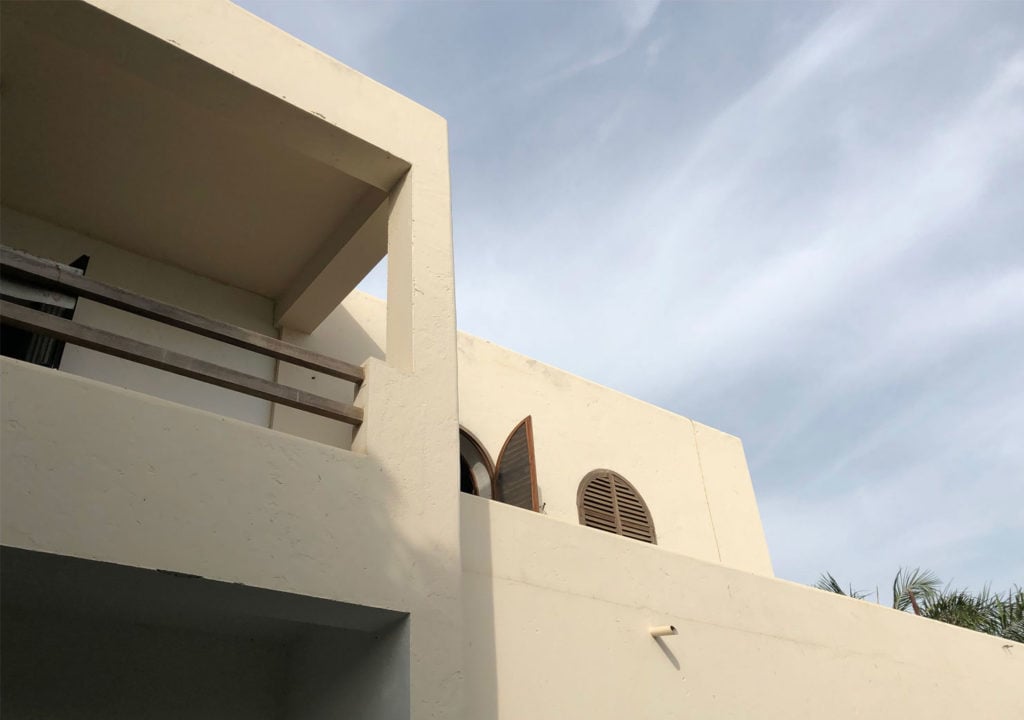
The exterior of Galerie Atiss. Photo
courtesy Galerie Atiss.
WHERE TO SHOP: Bantu Wax,
a trendy surfwear brand that sells patterned swimsuits and custom
surfboards out of a hip reimagined shipping container.
OTHER ART TO SEE: The
Museum of Black Civilizations, Galerie Cécile Fakhoury, and
Dak’Art.
FUN FACT: In addition to
the gallery, Aïssa Dione owns a high-end fabric brand dedicated to
preserving Senegal’s traditional fabric-weaving
crafts.
Museu
do Amanhã
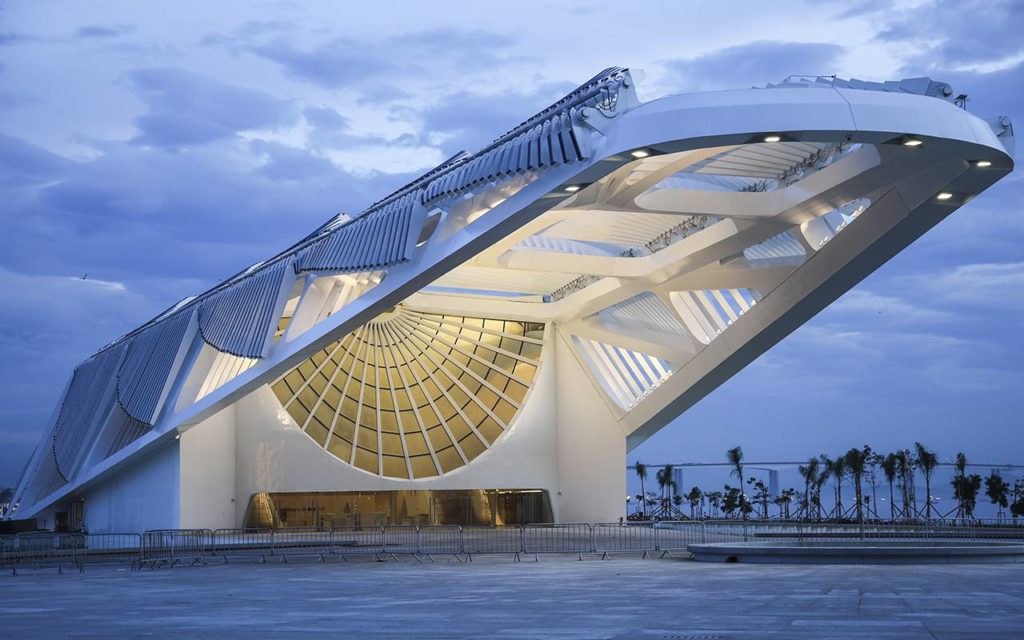
Museu do Amanhã. Photo courtesy Museu do
Amanhã.
WHAT IT IS: An immense
skeletal structure designed by Spanish artist and architect
Santiago Calatrava, which houses a futuristic museum of science.
The building is cantilevered out over the water, giving the
impression it’s floating on the bay. Its design was inspired by the
bromeliads in the city’s botanical garden. Inside, the museum aims
at exploring the future of the planet through issues like
population growth, climate change, and technological
advancement.
WHERE IT IS: Next to the
waterfront at Pier Maua in Rio de Janeiro, Brazil.
WHERE TO STAY: The
Copacabana Palace, a monolithic Art Deco building set along a
beautiful stretch of beach. It was here Fred Astaire and Ginger
Rogers danced in the opening sequence of the film
Carioca.
WHERE TO EAT: Oro, a
two-Michelin-starred restaurant run by husband-and-wife team chef
Felipe Bronze and sommelier Cecilia Aldaz. The constantly changing
menu is known for its creativity, freshness and focus on cooking
over fire.
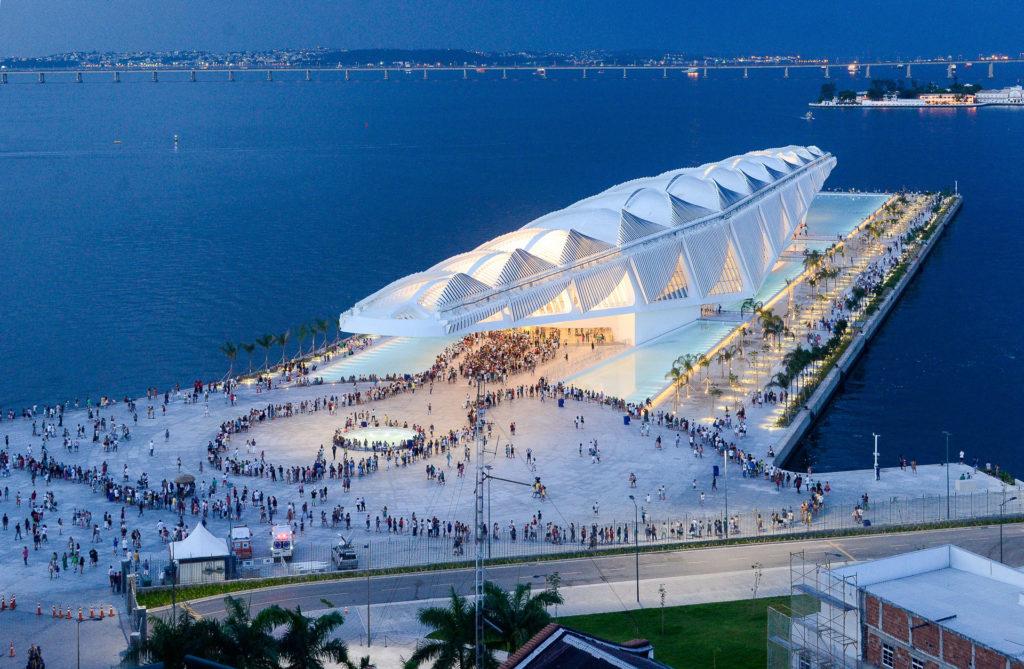
Museu do Amanhã. Photo courtesy Museu do
Amanhã.
WHERE TO SHOP: Along
Avenida Ataulfo de Paiva, in the upscale neighborhood of Leblon,
where shoppers can find Brazilian swimwear favorite Lenny and
trendy, sustainably-focused brand Osklen.
OTHER ART TO SEE: The
Oscar Niemeyer-designed Museo de Arte Contemporáneo de Niterói as
well as Niemeyer’s own home, Casa das Canoas.
FUN FACT: The Museu do
Amanhã’s roof is made of fin-like solar panels that follow the sun.
Its interior temperature is regulated by water from the bay, which
supplies the outdoor reflecting pools before returning to the
sea.
The post 6 Amazing Global Art Destinations for the Luxury
Traveler, From a Museum Atop a Japanese Skyscraper to a Light Show
in the Outback appeared first on artnet News.
Read more https://news.artnet.com/art-world/luxury-global-art-destinations-1795257
Further reading


Leave a comment