
Feeling Boxed In? Take Some Time to Catch Up on These 16 Art-Themed Books to Expand Your Horizons
Is the barrage of bad news getting you down? Are you looking for
an escape from the news cycle? Perhaps it’s a good time to do a
little catch-up reading. We canvassed our editors and staff writers
for their picks of what to read while under lockdown. We’ve got
everything from historical fiction to true crime, which should be
more than enough to keep you busy.
Read on for our picks below.
If you’re looking for some
polemics…
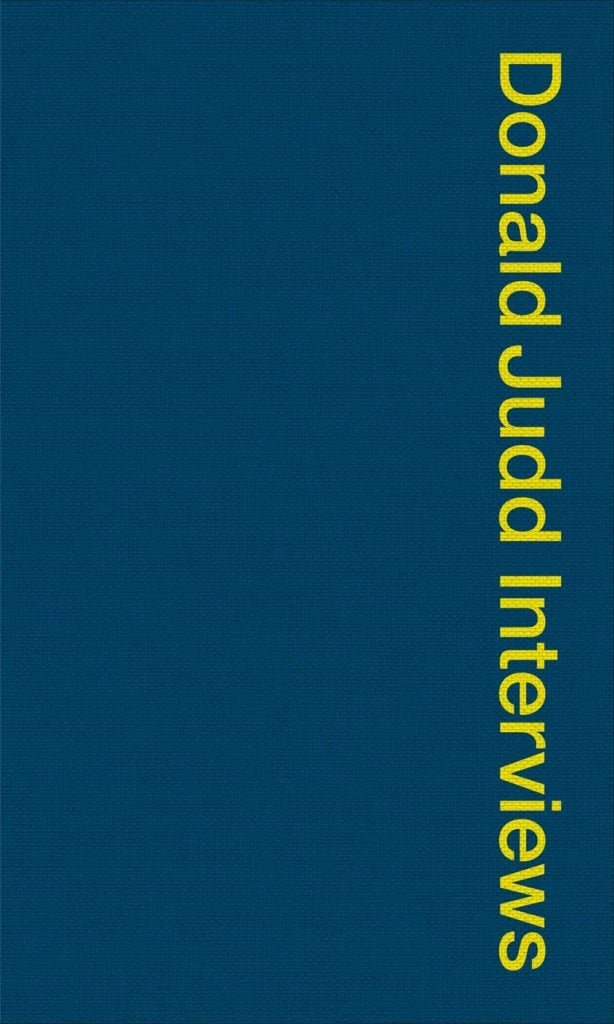
Donald Judd,
Interviews
David Zwirner Books, 2019
This is a beautiful brick of a
book. It’s got 88 color illustrations of Judd and Judd works—but
honestly it’s perfect for being stuck at home and away from the
real thing, giving you thorough interviews with the artist from the
early 1960s up to the early ’90s, painting a loose-limbed and
irascible picture of the artist known for his gleaming
perfectionism.
—Ben Davis
If you’re feeling
stressed about your lack of productivity…
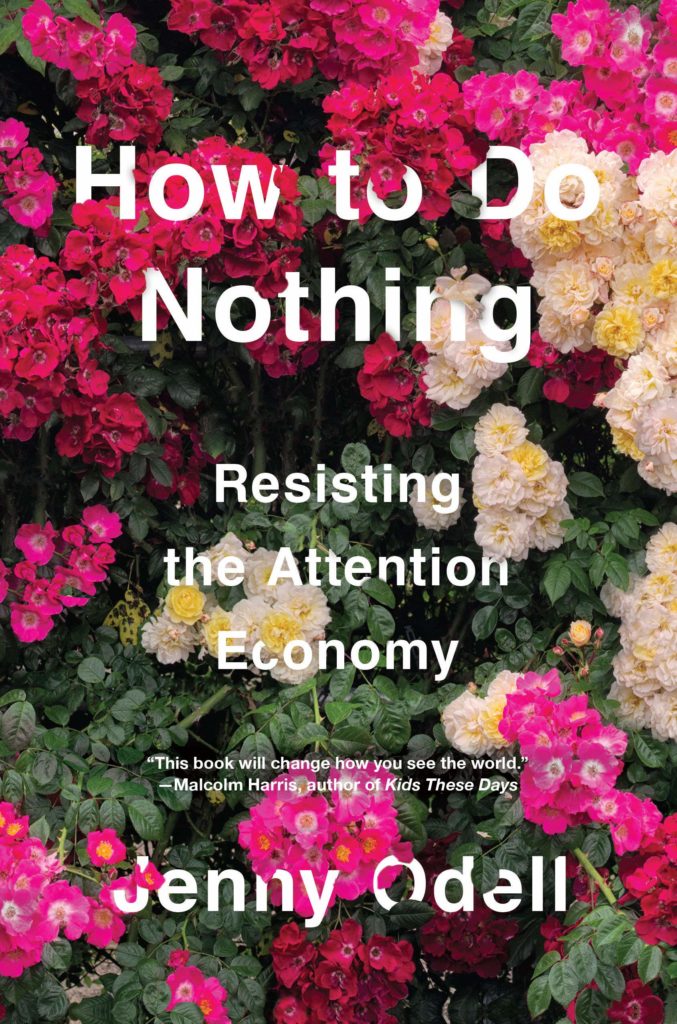
Jenny Odell, How
to Do Nothing
Melville House, 2019
There’s a knowing provocation in
the title of this acclaimed book, but there shouldn’t be. This
unjustified yet underappreciated tension is the starting point in
multidisciplinary artist and writer Jenny Odell’s argument for
reprioritizing our own value as individuals rather than
ever-spinning cogs in various machines. How to Do Nothing targets technology, the attention economy, and
hyper-aggressive capitalism for slowly but surely sawing away our
connections to almost anything but quantifiable output in all its
forms, from professional labor, to social-media activity, to the
“side hustles” we’re all supposed to be running to get what
we really
want. Often using thematically
linked artworks to illustrate her points, Odell presents an
alternative solution for fulfillment and (relative)
peace, one
that reframes self-care as the
cultivation of our relationships to ourselves, our communities, and
our ecology rather than as consumption-based self-indulgence (that
we should also probably be Instagramming). I can’t imagine a more
opportune moment to consider those concepts than
now.
—Tim Schneider
If you love a juicy
scandal…

Deborah Davis,
Strapless: John Singer Sargent and the Fall of
Madame X
Tarcher, 2003
Before there were the
Kardashians or Paris Hilton, there was Virginie Amelie Gautreau of
New Orleans, who became a Paris “It-Girl” in the 1880s. Having her
portrait painted by up-and-coming painter John Singer Sargent for
the 1884 Paris Salon should have cemented the 23-year-old’s place
in the upper crust. But instead, it unfairly destroyed her
reputation beyond repair. The scandal came down to one seemingly
innocuous detail: the strap of her dress dangling off her shoulder
suggested a sexual encounter, and was met with public outcries of
indecency. A chastened Sargent repainted the strap firmly in place,
and the painting was rechristened Madame X. Deborah Davis’s account of the ill-fated
work’s creation reveals that Gautreau was a fascinating figure in
her own right, and in many ways ahead of her time.
—Sarah Cascone
If you’re worried the
pandemic will alienate us from art altogether…
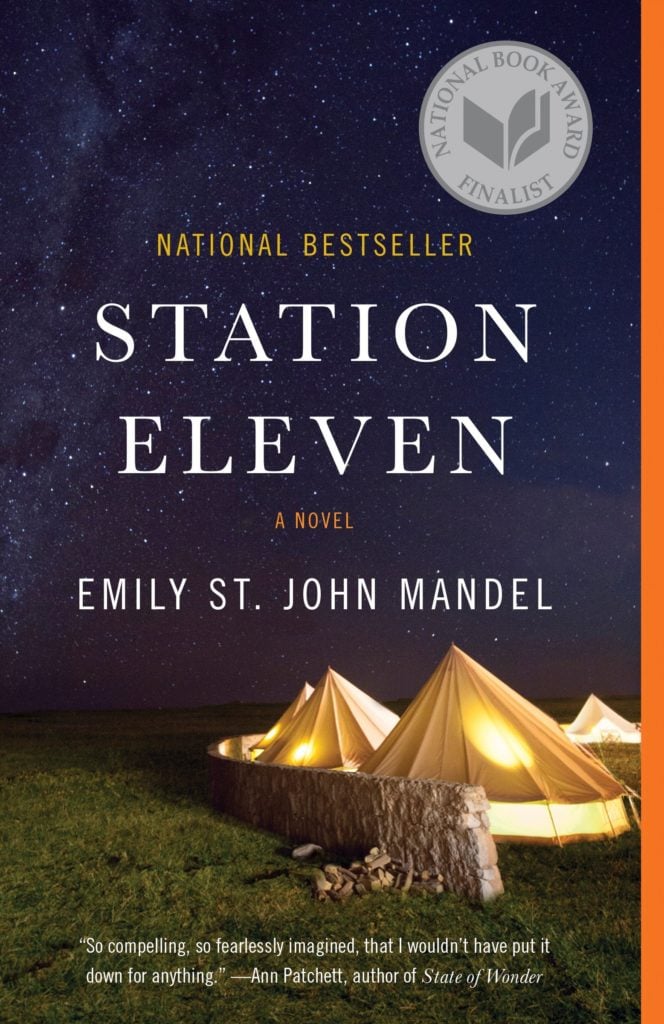
Emily St. John
Mandel, Station Eleven
Vintage Books, 2014
The central question in Canadian
author Emily St. John Mandel’s 2014 novel is whether art can save
us. A unseasonably strong flu pandemic has ravaged the world
population, leading to waves of death and chaos. The internet is
unplugged, running water and electricity are no more, and governing
bodies no longer exist. A wandering troupe of musicians, actors,
and performers remains on a sparsely populated planet. These lovers
of the arts travel through a surprisingly enchanting
post-apocalyptic landscape performing crowd-pleasing Shakespeare
plays before ending up at the Museum of Civilization, a defunct
airport that serves as a wunderkammer of items from the old world,
like cellphones and high heels. Despite the grim backdrop, it’s fun
and optimistic, the plot is driving, and the writing is suspenseful
and erudite. What is the place of metaphor, poetry, and art in end
times? The answer lies in the troupe’s motto: “survival is
insufficient.”
—Kate
Brown
If you want to be inspired by
Calder’s Can-Do Spirit…
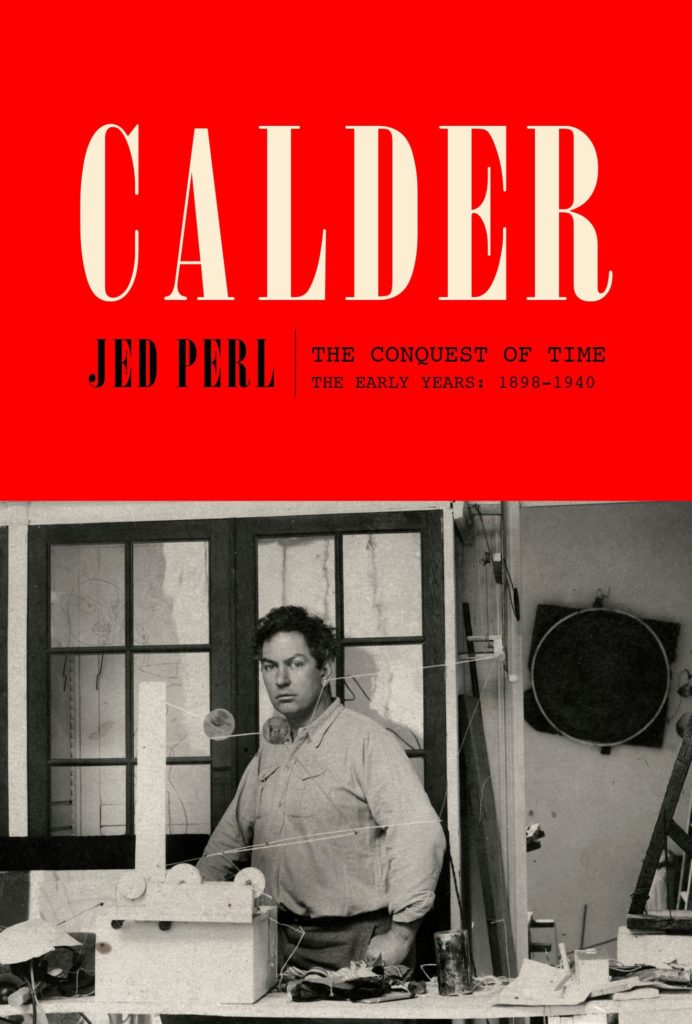
Jed Perl,
Calder: The Conquest of Time: The Early Years:
1898–1940
Knopf, 2017
When the architect of the famous
Spanish Pavilion at the 1937 Paris Expo urgently
needed a fountain as a foil to
Picasso’s Guernica, he turned to Alexander Calder—and the US
artist rose to the challenge. Jed Perl’s masterful biography
of the young artist tells of how he created his
Mercury Fountain
at double-quick speed as a
beguiling piece of agit-prop Modernism to champion the Republican
cause and raise money for child refugees. Back home in Roxbury,
Connecticut, Calder created an array of humble gadgets, including a
toilet-paper holder shaped like a hand, an ingenious electric
toaster, and even a strainer hair trap. And he crafted them all
with the same panache as his breakthrough piece of public
art.
—Javier Pes
If you’re looking for
an escape from reality…
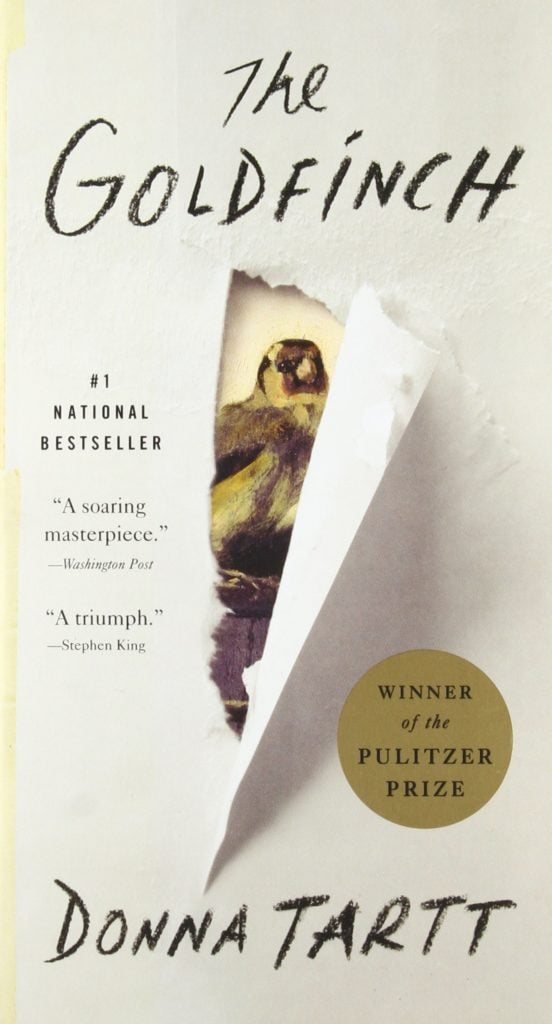
Donna Tartt, The
Goldfinch
Little, Brown and Company, 2013
The Goldfinch has been
out forever, but if you’ve never worked your way through its 700
pages before, now may be a good time. (And even if you’ve been
there, done that, it might be worth revisiting to compare it with
the movie version starring Nicole Kidman, which came out last
year.) The story begins
with a bombing at the Metropolitan Museum of Art and the somewhat
accidental theft of an Old Master painting, and it doesn’t get any
less dramatic from there. Like a late-night Netflix-binge, it will
keep you up as you go on a rollercoaster ride involving a slew of
double-dealing, drugs, and an underground network of deadly
criminals. Although the painting, Carel Fabritius’s
The
Goldfinch, drives the
plot, the book is ultimately a coming-of-age story centered on its
sensitive protagonist, Theo.
—Naomi
Rea
If you’re wondering what art
looks like after a pandemic…
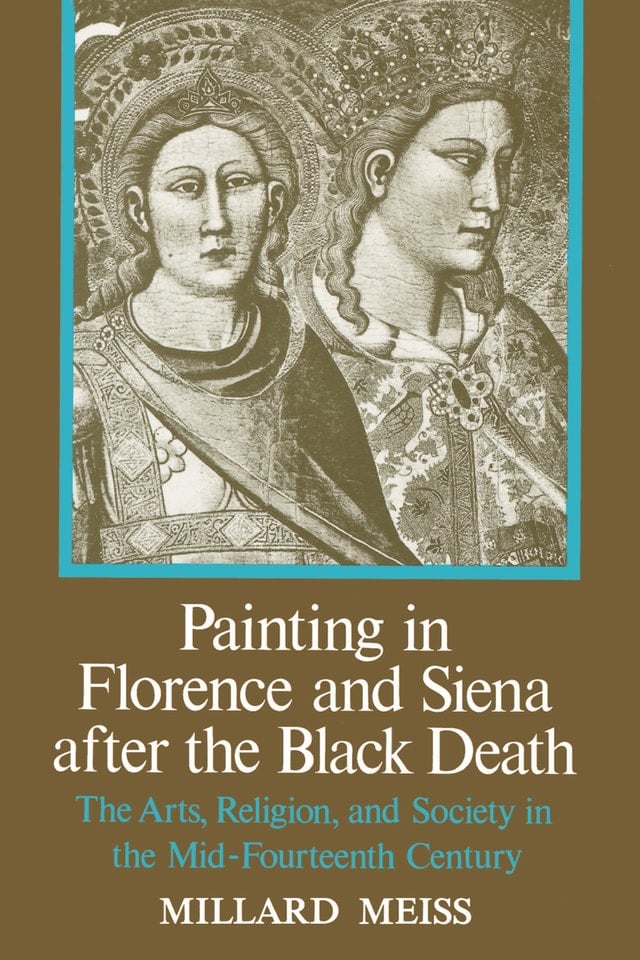
Millard Meiss,
Painting in Florence and Siena After the Black
Death
Princeton University Press, 1951
The Black Death that gripped
Europe between 1347 and 1351 was a calamity on an unimaginable
scale. The plague killed perhaps 60 percent of the continent’s
population; was attended to by widespread economic collapse,
notably of the major Florentine banking institutions; and
inaugurated a cultural reckoning that extended well into the
Renaissance. No one has done a better job of explaining how the
Black Death worked its way into Florentine and Sienese culture than
the scholar Millard Meiss, whose study on the subject remains an
art-historical classic.
—Pac Pobric
If you’re longing for a
trashy page-turner…
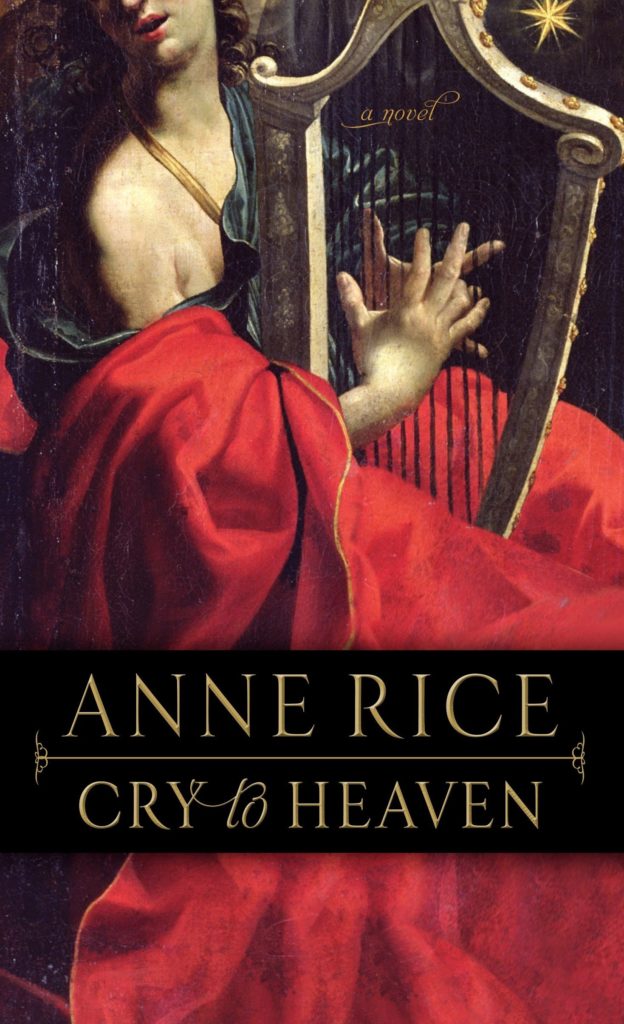 Anne Rice, Cry to
Heaven
Knopf, 1982
I don’t know about you, but my
reading comprehension and standards have largely gone out the
window. So may I recommend the literary equivalent of mashed
potatoes? Cry to
Heaven, unlike other
works by the queen of vampire fiction, Anne Rice, forgoes the
supernatural in favor of bawdy historical
fiction. Set in
18th-century Italy, it focuses on the plight of castrati
opera singers and the occasional court painter, and it’s got some
light political intrigue, musings about the role of beauty in art,
bodice-ripping romance, and a mysterious family secret that
involves a creepy oil painting. If you want to lose yourself in an
art world very unlike our own, look no further.
—Tatiana
Berg
If you want to find out
how the contemporary art market was built (before it probably
collapses)…
Anthony
Haden-Guest, True Colors
Atlantic
Monthly Press, 1996
There are plenty of explainer-y
books on why rich people spend exorbitant sums of money on
paintings and sculptures. This is not that book. Instead, it’s a
series of lived-in anecdotes, a gossipy, rip-roaring compendium of
late nights with Soho-dwelling minimalists who created a new visual
aesthetic and the drink-swilling Upper East Side doyennes who
supported them, along with mini-profiles of dealers who emerge as
the power-wielding gatekeepers. All the characters come vividly alive as they
create a new reality on the streets of Chelsea in the midst of the
birth of a global arts district rendered in technicolor. And when
we all come back from quarantine, there’s a good chance this world
will be wiped off the face of the earth, so might as well absorb
its memory before it slips away forever.
—Nate Freeman
If you’re sick of the
TV, but interested in history…
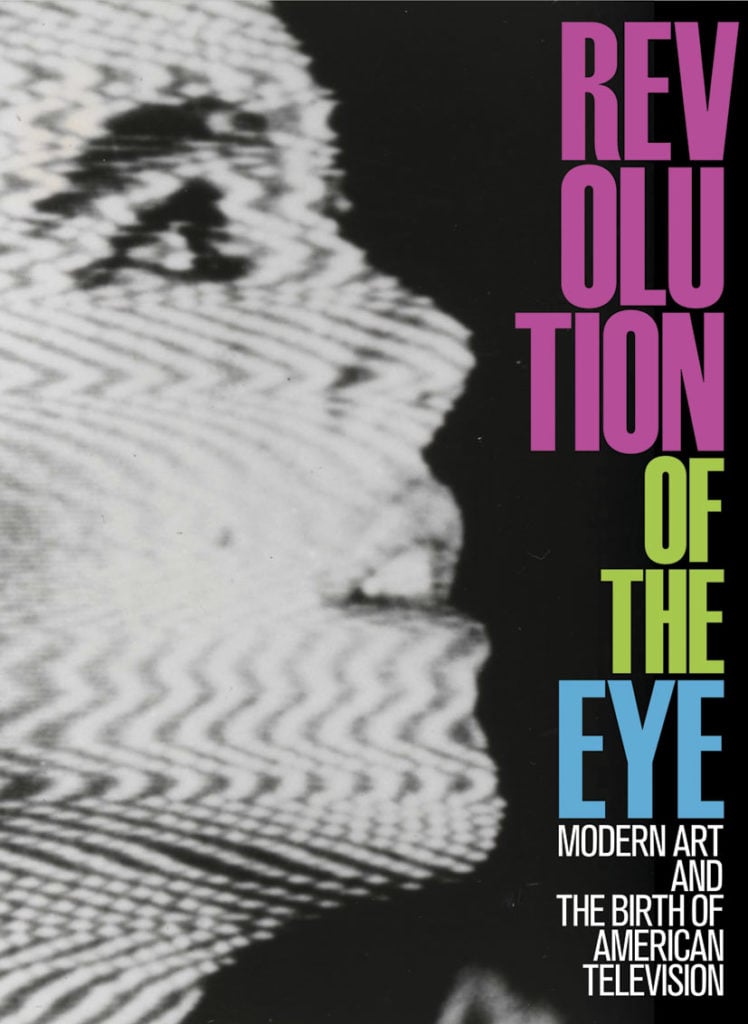
Maurice
Berger, Revolution of the Eye: Modern Art
and the Birth of American Television
Yale
University Press, 2015
A few years ago, the late critic and
professor Maurice Berger curated an excellent exhibition at the Jewish
Museum titled “Revolution of the Eye: Modern Art and the Birth of
American Television.” And although it’s hard to believe now, there
was a time when TV was experimental. Even MoMA had a “Television Project” in the
1950s, using the new mode of communication as a way to bring art to
the masses. Berger’s
work shines a light on some of the artists and designers who
influenced the medium’s early aesthetics (and in some cases, used
it as a way to promote their work), including Alexander Calder,
Marcel Duchamp, Roy Lichtenstein, Man Ray, Saul Bass, Ben Shahn,
and Andy Warhol. There’s also an online version of the
exhibition that includes
works and clips from the show. As our 24-hour cycle churns into
overdrive, now is as good a time as ever to explore art’s impact on
the way we get our news.
—Katie
Rothstein
If you’re in the mood for
reflection…
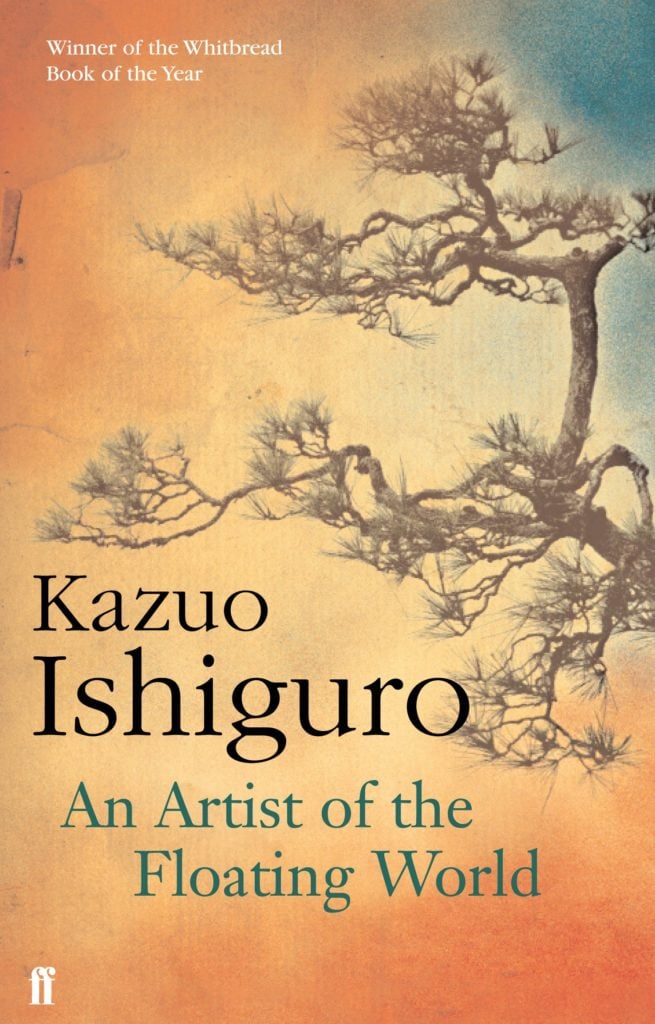
Kazuo Ishiguro, An
Artist of the Floating World
Faber & Faber,
1986
Japanese-born, English author
Kazuo Ishiguro is a master of subtle, patient writing. His grand gestures
come in the form of characters’ small utterances, which slowly work
to unravel the outward appearance of things. An Artist of the Floating World
is no exception.
Here, Ishiguro
tells the story of
Masuji Ono, an aging artist in post-war Japan who is in the
midst of protracted marriage arrangements for his youngest
daughter, Noriko.
A bohemian painter of Japan’s “floating world” nightlife and
revelry in his youth, Ono abandoned these pursuits to become a
propagandist for Japanese Imperialism. Now, years later, in the
midst of American occupation of the island and with Ono’s wife and
son dead, the artist reflects on how idealism and ambition can
ultimately be so misguided—and how art can powerfully shape
culture. As with Ishiguro’s masterpiece (and a favorite of
mine), The Remains
of the Day, we’re privy
to the complex mind of a character who has been left behind by
changing cultural mores, but who nevertheless strives to understand
and accept himself while acknowledging that there is no undoing the
past.
—Katie
White
If you can only handle so
many words at one time…
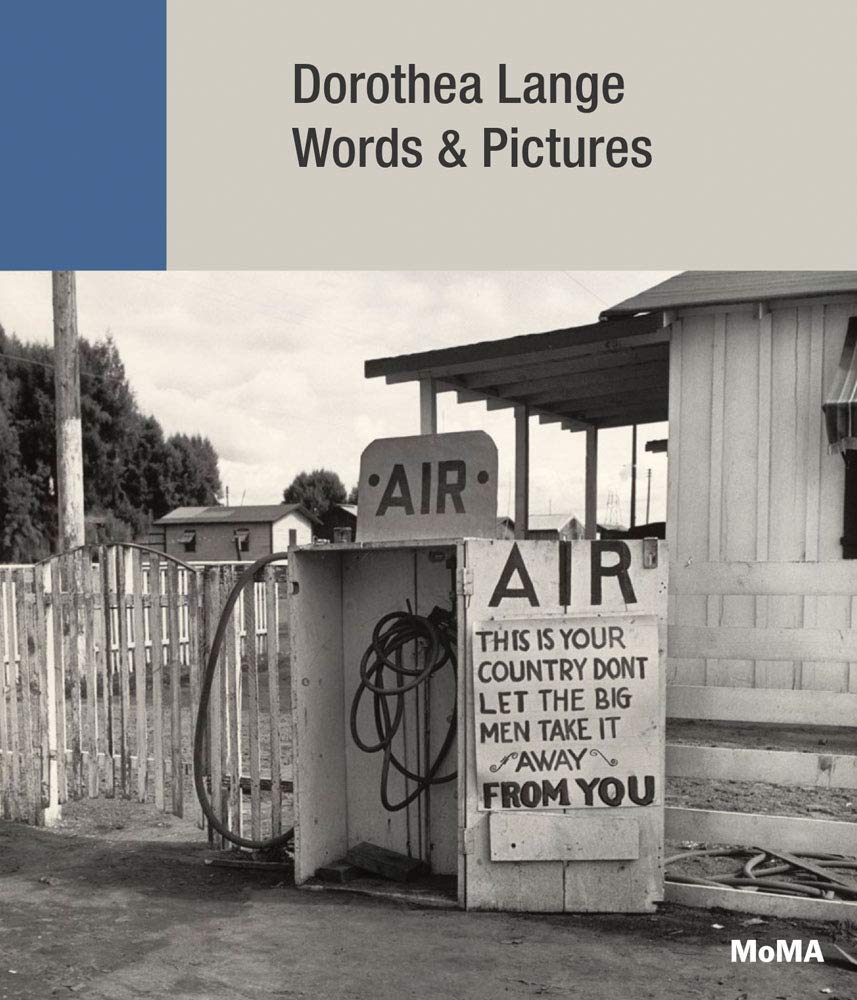
Sarah Hermanson
Meister, Dorothea Lange: Words &
Pictures
ARTBOOK|DAP, 2020
In this publication, the work of
groundbreaking photographer Dorothea Lange work is presented in
diverse contexts, ranging from photobooks, Depression-era
government reports, newspapers, magazines, and poems, alongside
writings by contemporary artists, writers and thinkers. Along with
an essay by Sarah Hermanson Meister, the book also includes texts
by Sally Mann, Wendy Red Star, and Rebecca Solnit.
—Eileen Kinsella
If you’re feeling like
unformed clay…
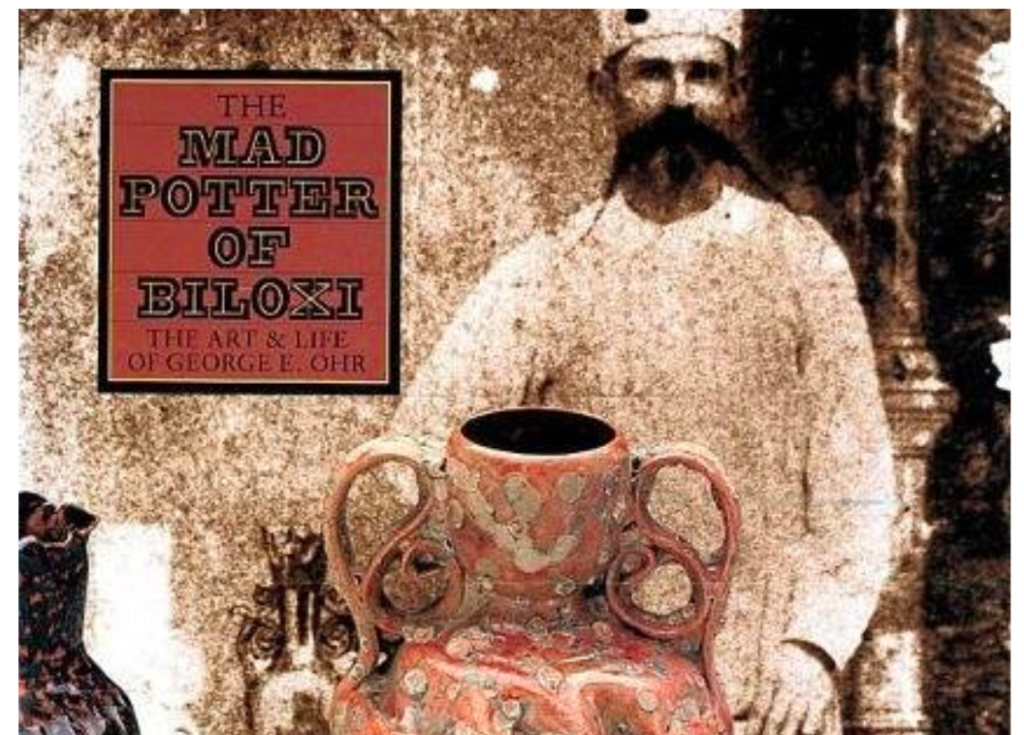
Garth Clark, The Mad
Potter of Biloxi
Abbeville Press, 1989
These are strange, strange days, and if you feel like a bit of a
mess, this story of a misunderstood artistic genius is just what
you seek. George Ohr, the self-proclaimed “mad potter” of
Biloxi, is now considered a peerless sculptor who pushed the
boundaries of the medium to an extreme. I’ve been wanting to take
up pottery for a long time now, and just as I was about to sign up
for classes (I was so close, I swear) the quarantine measures have
thwarted my plans. Luckily, the gorgeous photographs of twisted
clay Ohr kneaded and coaxed into impossibly thin-walled vessels is
a perfect antidote to my malaise.
—Caroline Goldstein
If you’re interested in
heist stories…
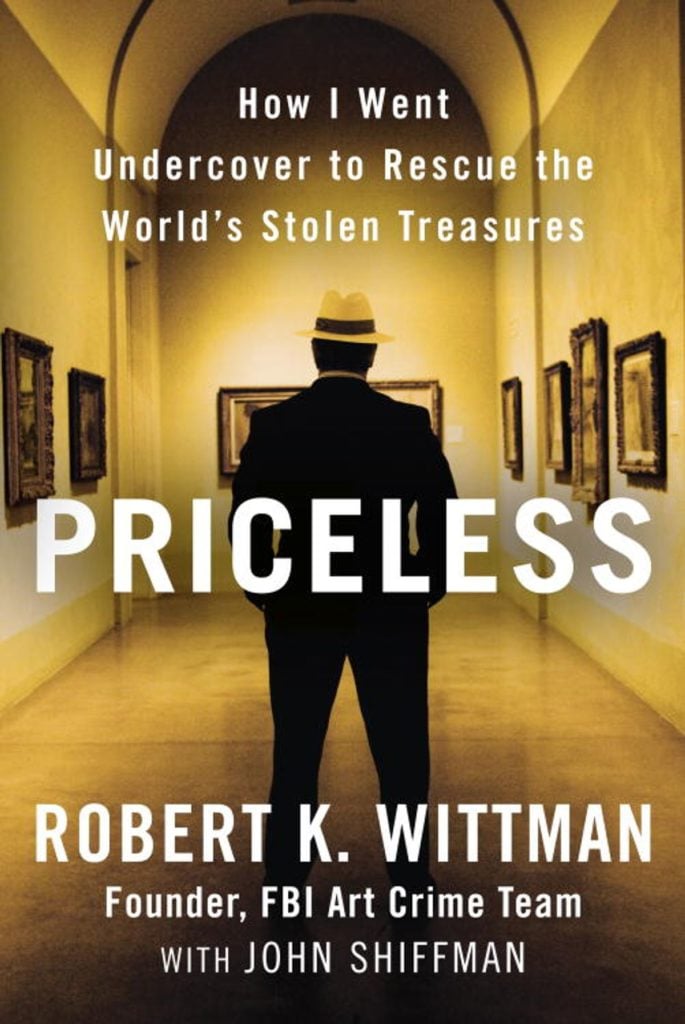
Robert K.
Wittman, Priceless: How I Went Undercover to Rescue the
World’s Stolen Treasures
Random House, 2010
Former FBI agent Robert K.
Wittman, who founded the agency’s Art Crime Team, offers this
riveting memoir about infiltrating the shadowy art underworld to
help track down stolen works of art. His undercover work led to
several notable success stories, including the recovery of a
Rembrandt van Rijn self-portrait. To hear Wittman tell it, art
thieves aren’t the sophisticated operators you see in the
movies—but he still retired without solving the infamous 1990 heist
at Boston’s Isabella Stewart Gardner Museum, the most valuable art
crime in the nation’s history, despite several promising leads,
which are recounted here.
—Sarah Cascone
If you need some words
of wisdom…
Rainer Maria
Rilke, Letters to a Young Painter
David
Zwirner Books, 2017
Rainer Maria Rilke is, of
course, best known for his inspirational
book, Letters to a
Young Poet. But this
later collection also deserves attention. It contains Rilke’s
collected letters to a young Balthus, who was just beginning to
form himself as an artist. (Rilke was in a relationship with
Balthus’s mother, and effectively served as a father figure for a
time). Rilke’s
encouragement to the young artist is inspiring and palpable, as is
his care. (And Artnet News’ own Rachel Corbett, author of
You Must Change
Your Life, wrote the
introduction.)
—Eileen
Kinsella
If you want a thrilled (and
true) yarn to untangle…
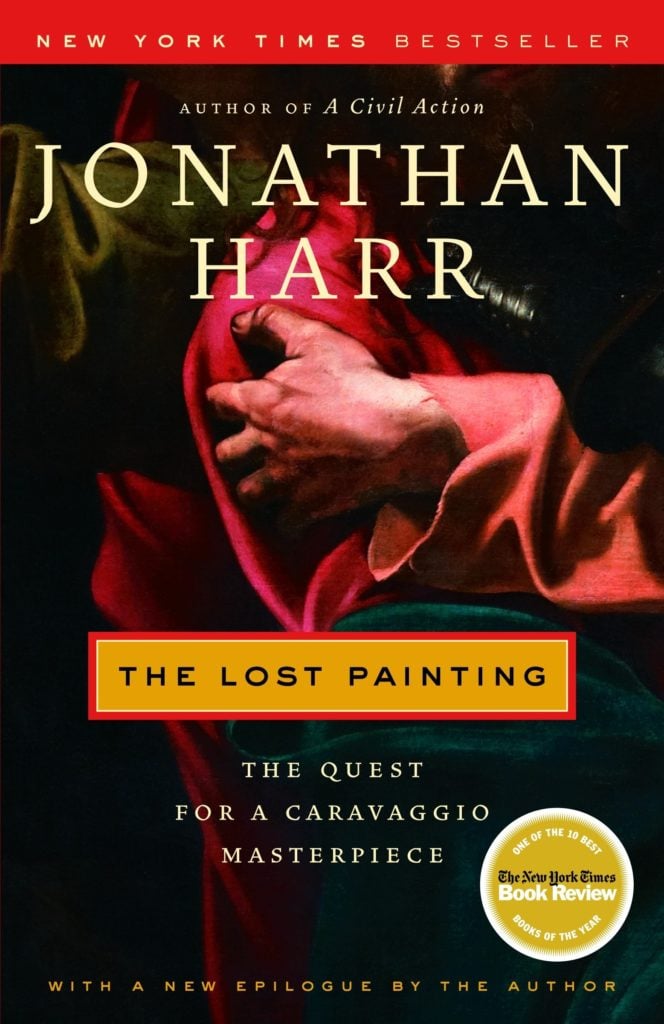
Jonathan Harr, The Lost
Painting: The Quest for a Caravaggio
Masterpiece
Random
House, 2005
Jonathan Harr, who is best known
for A Civil
Action, the true story
that became a hit John Travolta film, weaves a compelling tale
about the real-life rediscovery of one of Caravaggio’s greatest
masterpieces. The canvas somehow made its way to a Jesuit residence
in Dublin after being lost for centuries. Its resurfacing causes
quite a commotion in the art-historical community, igniting
rivalries and even outright feuds among scholars and connoisseurs.
Of particular note for burgeoning art historians is that two young
University of Rome graduate students, Francesca Cappelletti and
Laura Testa, were instrumental in the work’s
authentication.
—Sarah Cascone
The post Feeling Boxed In? Take Some Time to Catch Up on
These 16 Art-Themed Books to Expand Your Horizons appeared
first on artnet News.
Read more https://news.artnet.com/art-world/art-book-recommendations-1826280
Further reading


Leave a comment