
Long Hidden From the Public Eye, These Artistic Treasures From 1924 Are Now Entering the Public Domain
January 1 marked not only the start of 2020, but also Public
Domain Day, when the copyright on a trove of long-protected works
of art created in 1924 finally expired. Now, a cache of 95-year-old
paintings, sculptures, films, and works of literature can be freely
reproduced for the first time.
The new set of public domain goodies include the first film
adaptation of Peter Pan, EM Forster’s A
Passage to India, and George Gershwin’s Rhapsody
in Blue, to name just a few. In the visual arts, there’s now
free rein to reproduce Georgia O’Keeffe’s Flower Abstraction, George
Bellows’s Dempsey and
Firpo, and Pamela Bianco’s Madonna and Child, all from
the collection of the Whitney Museum of American Art. Meanwhile,
the Metropolitan Museum of Art’s catalogue includes such 1924 works
as Alfred Stieglitz’s striking portrait of O’Keeffe, Marsden
Hartley’s Cemetery, New Mexico,
and a number of elegant line drawings of women by Gaston
Lachaise.
Among the other notable works now entering the public domain are
Edward Hopper’s New York
Pavements at Virginia’s Chrysler Museum, Romaine
Brooks’s Una, Lady
Troubridge at the Smithsonian American Art Museum,
and Lyonel Feininger’s Gaberndorf II at the
Nelson-Atkins Museum of Art.
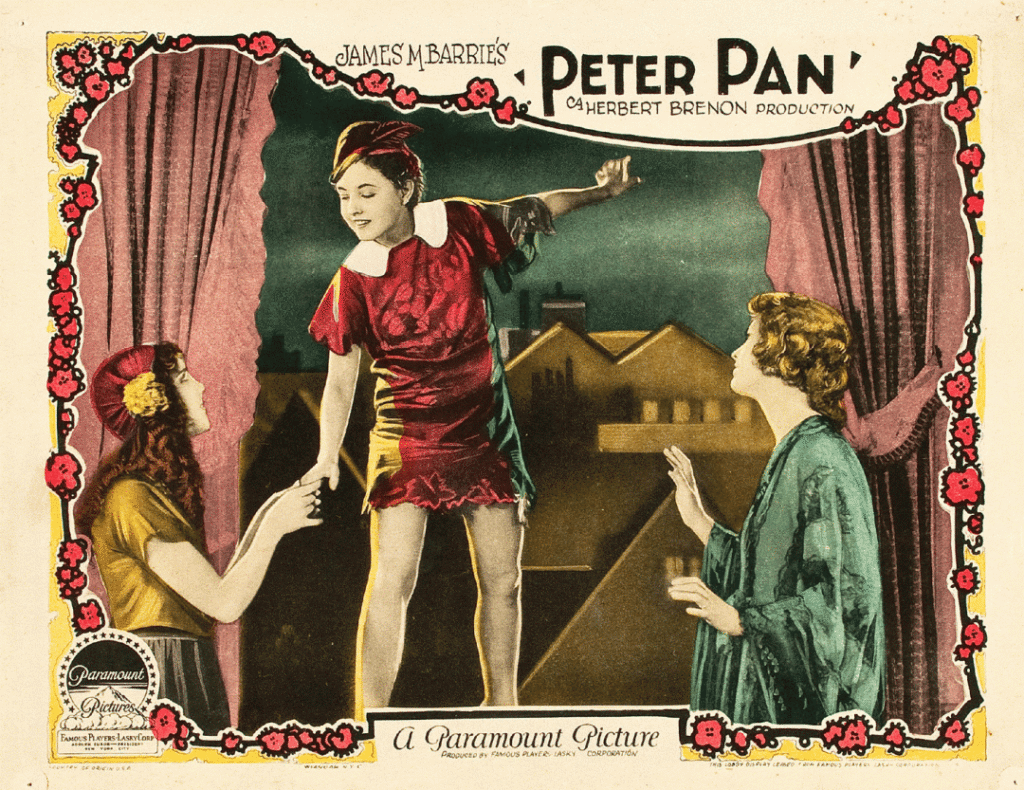
The first film adaptation of JM Barrie’s
Peter Pan (1924). Courtesy of Wikimedia Commons.
Public Domain Day used to be an annual event, until the Sonny
Bono Copyright Extension Act of 1998, which extended copyright for
a period of 95 years. That effectively froze intellectual property
in time for the next two decades, preventing works from becoming
free to all until January 1, 2019.
The Gershwin Family Trust and Disney were among the most vocal
supporters of extending copyright, looking to retain royalties and
creative control over properties like Mickey Mouse (the character’s
debut on-screen appearance, in the short 1928
film Steamboat Willie, is protected until 2024).
But the law also restricts access to work that has long ceased
to be commercially viable, and limits artists, musicians, authors,
and others from taking inspiration from great works from the
past—think of the way West Side Story was drawn
from William Shakespeare’s Romeo and Juliet. Such
practices may be fuzzier in the visual arts, where appropriation
art is a genre unto itself, but the 95-year copyright period still
stifles new artistic experimentation, as well as preventing the
public from enjoying past works.
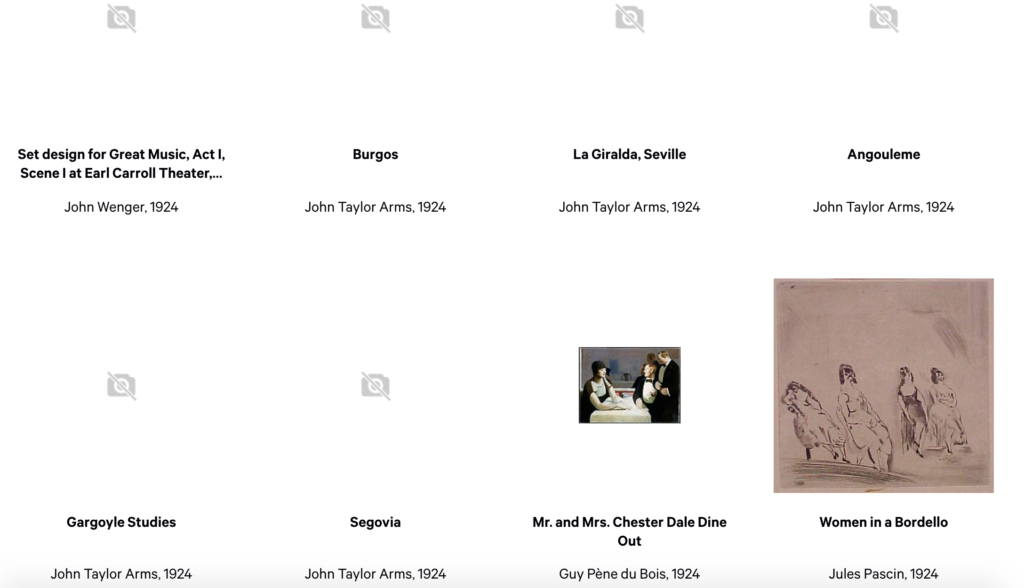
The Met’s website does not show even
thumbnail images of many artworks from 1924, but those works passed
into public domain on the first of the year. Screenshot of the
Metropolitan Museum of Art website.
“The vast majority of works from 1924 are out of circulation,”
wrote Balfour Smith of the Center for the Study of Public Domain at
Duke Law School in an article celebrating this
year’s Public Domain Day. “After 95 years, many of these works are
already lost or literally disintegrating (as with old films and
recordings), evidence of what long copyright terms do to the
conservation of cultural artifacts.”
Projects like 1923, a monthly zine created by
Parker Higgins that last year republished
various lost treasures that had finally entered public domain, show
how many works under copyright have been forgotten.
“The public domain also enables access to cultural materials
that might otherwise be lost to history,” wrote Smith. “Thanks to
public domain, anyone can make them available online, where we can
discover, enjoy, and breathe new life into them.”
See more works newly admitted to the public domain below.
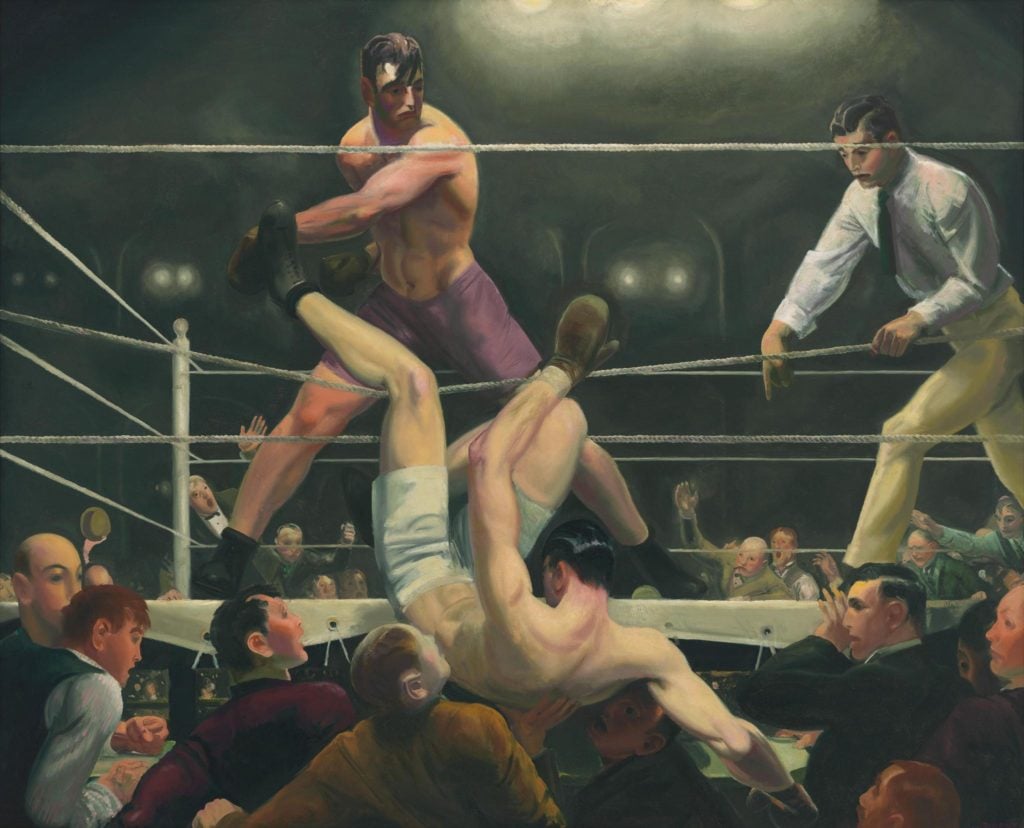
George Bellows, Dempsey and
Firpo (1924). Courtesy of the Whitney Museum of American
Art.
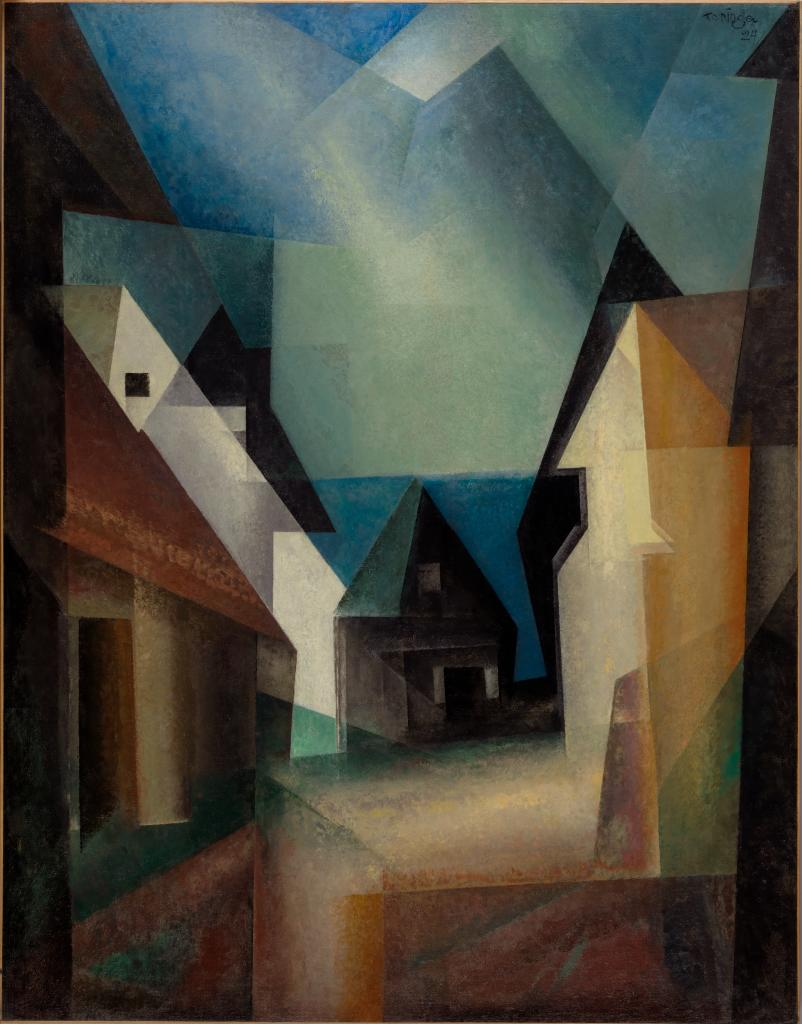
Lyonel Feininger, Gaberndorf II
(1924). Courtesy of the Nelson-Atkins Museum of Art in Kansas
City.
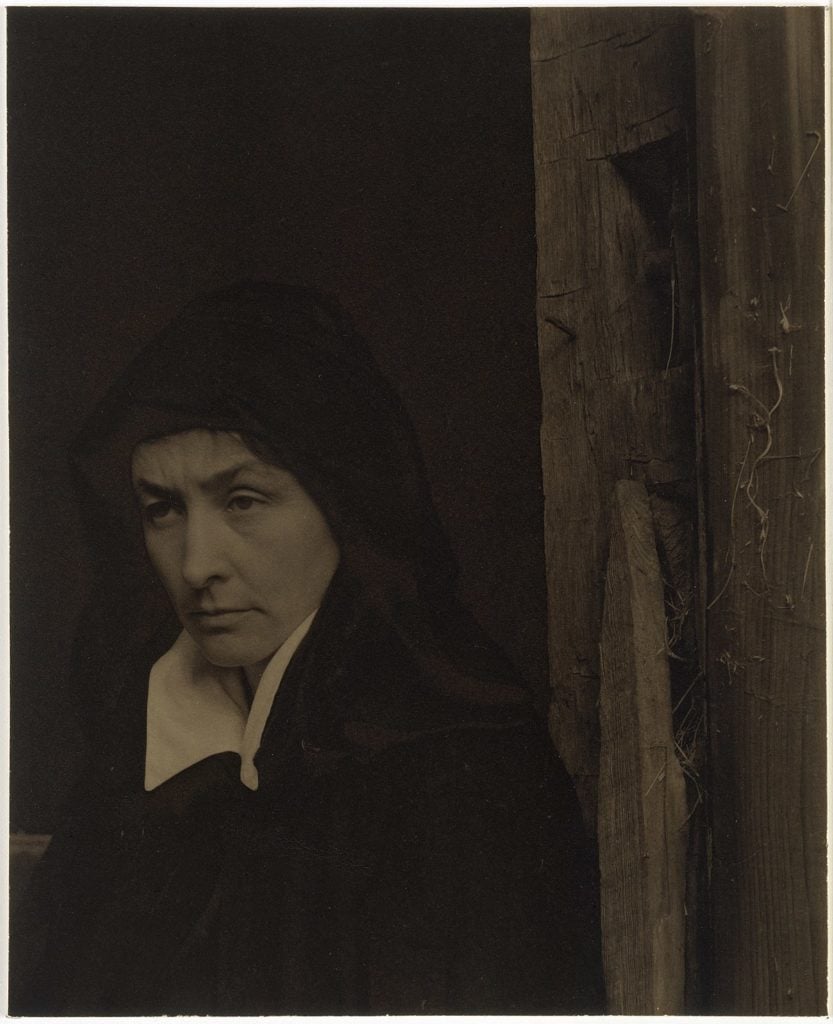
Alfred Stieglitz, Georgia
O’Keeffe (1924). Courtesy of the Metropolitan Museum of
Art.
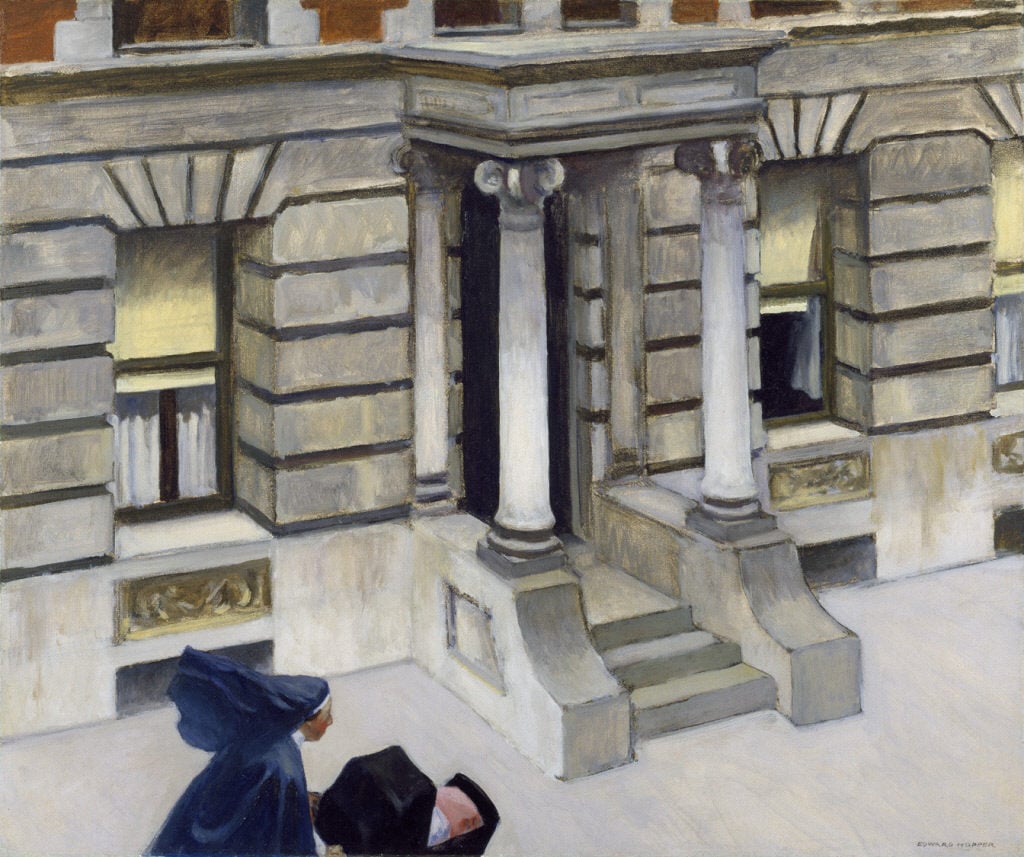
Edward Hopper, New York
Pavements (1924). Courtesy of the Chrysler Museum of Art.
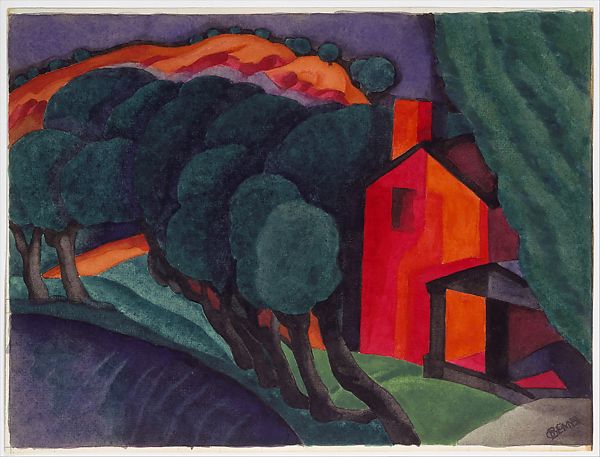
Oscar Bluemner, Glowing Night
(1924). Courtesy of the Metropolitan Museum of Art.
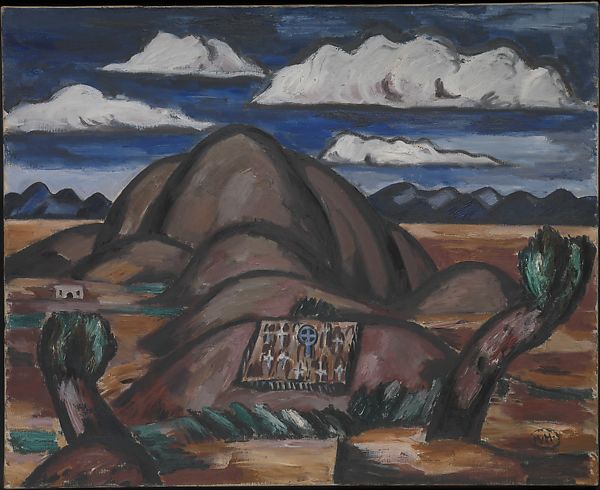
Marsden Hartley, Cemetery, New
Mexico (1924). Courtesy of the Metropolitan Museum of Art.
The post Long Hidden From the Public Eye, These Artistic
Treasures From 1924 Are Now Entering the Public Domain appeared
first on artnet News.
Read more https://news.artnet.com/art-world/1924-public-domain-day-2020-1744266
Further reading


Leave a comment