
Relive the Heady Days of the Early 2000s New York Garage Rock Revival in This New Show Featuring the Strokes and the Yeah Yeah Yeahs
The downtown New York rock scene of the early 2000s will be
revived in an art gallery next week.
Interpol, The Strokes, the Yeah Yeah Yeahs and numerous other
outfits who sold your turntables and
bought guitars in the post-9/11 rock-revival era will share
wall space with artists who came of age in the period, such as Urs
Fischer, Ryan McGinley, and Doug Aitken.
The show, an extension of Lizzy Goodman’s best-selling oral
history, Meet Me in the
Bathroom: Rebirth and Rock and Roll in New York City,
2001–2011, takes places at the Hole gallery on the Bowery,
not far from venues like the Mercury Lounge and Luna Lounge,
hotbeds of the Garage Rock revival.
The show (which is open from September 4–22) aims to mimic the
grimy, drug-driven vibe of the time: battered microphones and
scuffed-up high tops from Karen O will be juxtaposed with Doug
Aitken’s broken iPhone. A guitar belonging to Dave Sitek of TV on
the Radio will share space with Ryan McGinley’s youthful Polaroids.
The artworks that eventually became iconic album covers—Urs
Fischer’s photo of a hand destroying an egg, which graced the front
of the Yeah Yeah Yeah’s It’s Blitz, for instance, or Colin
Lane’s sultry black-and-white photograph for the Strokes’ Is
This It—will hang next to examples of the albums
themselves.
“We want it all to bleed together,” says Goodman, who curated
the show with Hala Matar. “We want the sounds of this place to sit
next to a flyer someone might have collected from some shitty show
that didn’t even have any bands you ever heard of—but 10 of the
people you have heard of attended.”
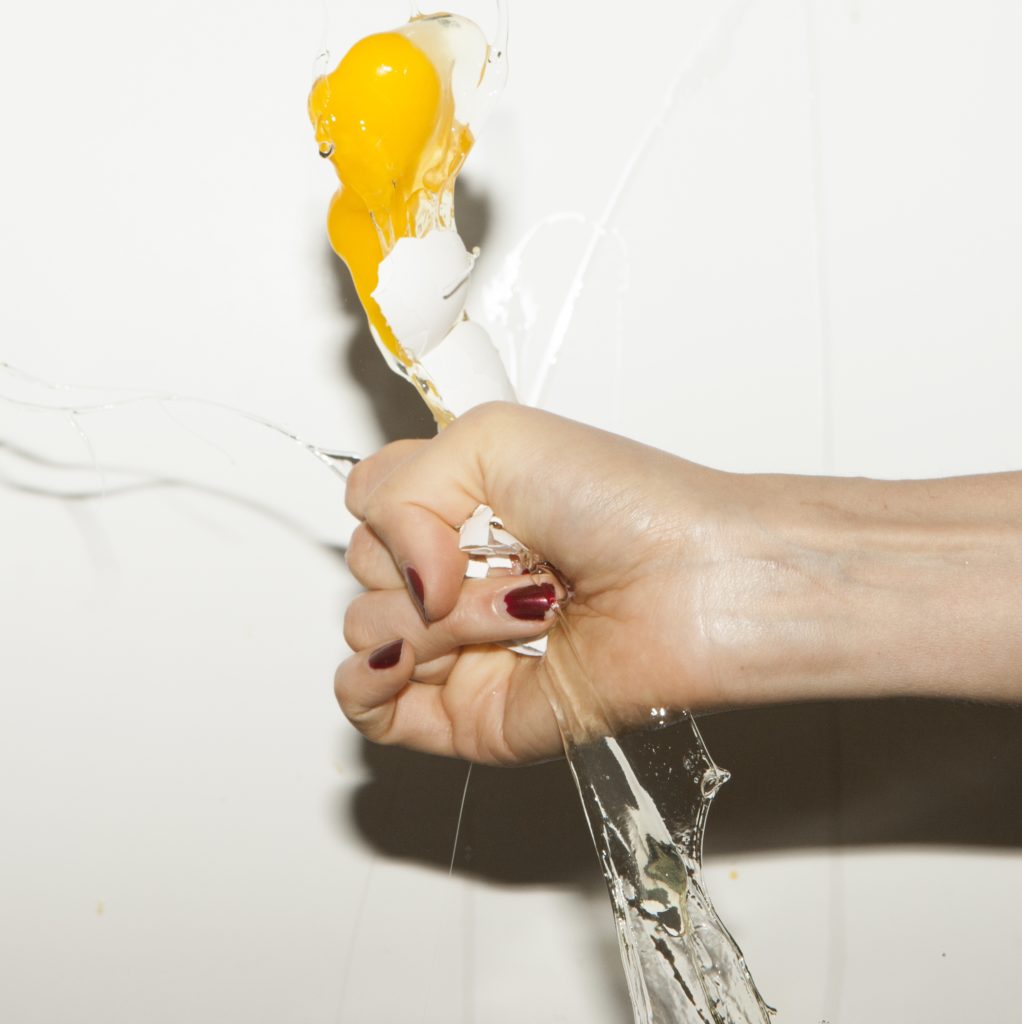
Urs Fischer’s cover for the Yeah Yeah
Yeah’s 2009 album, It’s Blitz.
There’s a reinvigorated sense of interest in this time period,
Goodman notes, suggesting that the current socio-political mood has
nudged a generation of people back to the last era of cultural
upheaval and the art that came out of it.
“There was this sense of, fuck, we’re going to die,” Goodman
says, recalling the moment after 9/11 when contemporary life was
thrown into crisis. “When you’re 22, what do you do with that
information? You party. You go out seven nights a week, not five
nights a week. But you also pursue the thing you’ve maybe been
thinking you have lots of time to do. Because you might not.”
Goodman cut her teeth as a music journalist in the same era that
these bands ruled New York. She conducted interviews with more than
200 musicians for Meet Me in the Bathroom, which was
published in 2017.
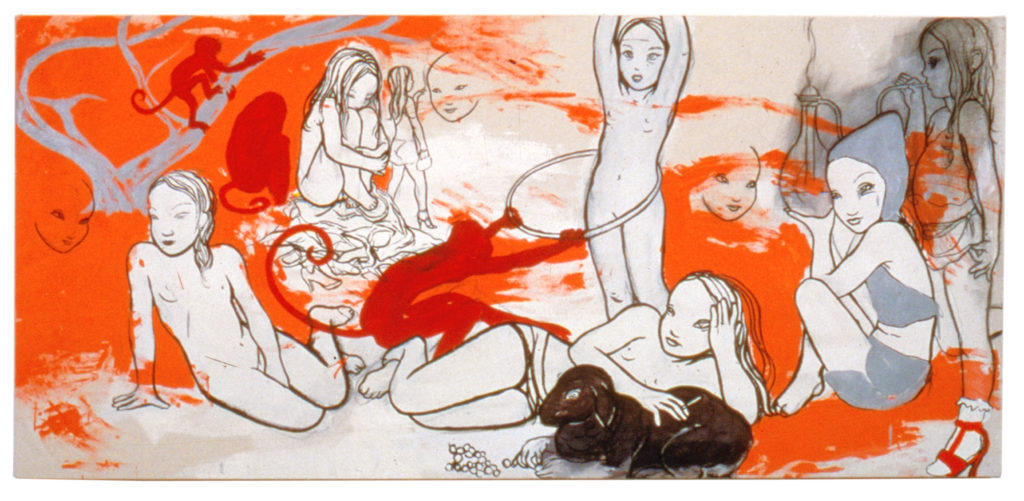
Rita Ackerman, We Mastered the Life
of Doing Nothing (1994).
Though she didn’t come into the exhibition with as much
familiarity with the art of the period, she found themes that
emerged across media. She points to artists like Dan Colen, Dash
Snow, and Nate Lowman, suggesting they embodied the same ethos that
animated Interpol or the Strokes: an up-all-night-attitude and a
downtown cosmopolitan cool that stood against the impassioned,
flannel-clad provincial grunge of the ’90s.
One particular painting in the show illustrates her point:
A languid, blood-red canvas by Rita Ackerman depicting nude
kids—confident, aloof, vulnerable; lounging, playing, imbibing.
It’s called We Mastered the Life of Doing Nothing
(1994).
“Everywhere is this idea of leaning into the ennui of
adolescence,” Goodman explains. “It starts with the myth of New
York—the idea of coming to this place to sort of do nothing except
for scour the streets and make art out of garbage. That’s something
I heard from every band I’ve ever interviewed from this time.”
“There is this sense of youth lived through the haze of death
and loss,” she adds. “I feel that coming off in the work of a lot
of these other artists as well.”
See more works from “Meet Me in the Bathroom: The Art Show”
below.
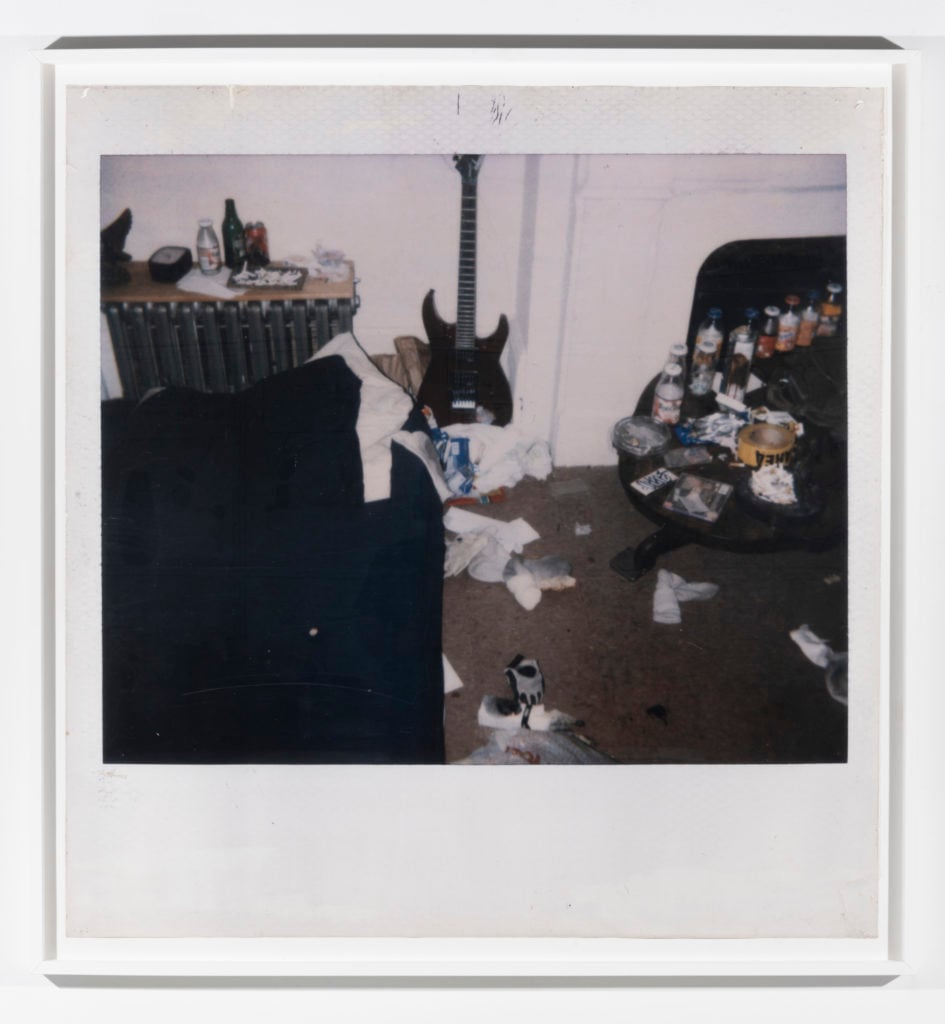
Dash Snow, Untitled Polaroid
(2004).
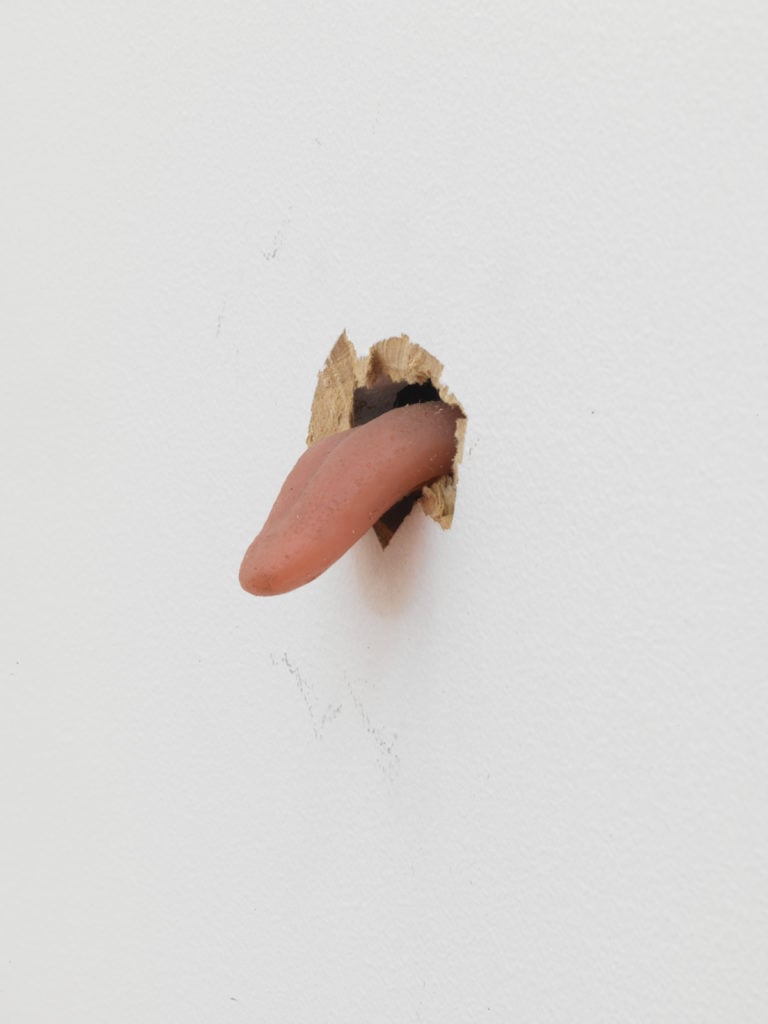
Urs Fischer, Noisette (2009).
Courtesy of the artist.
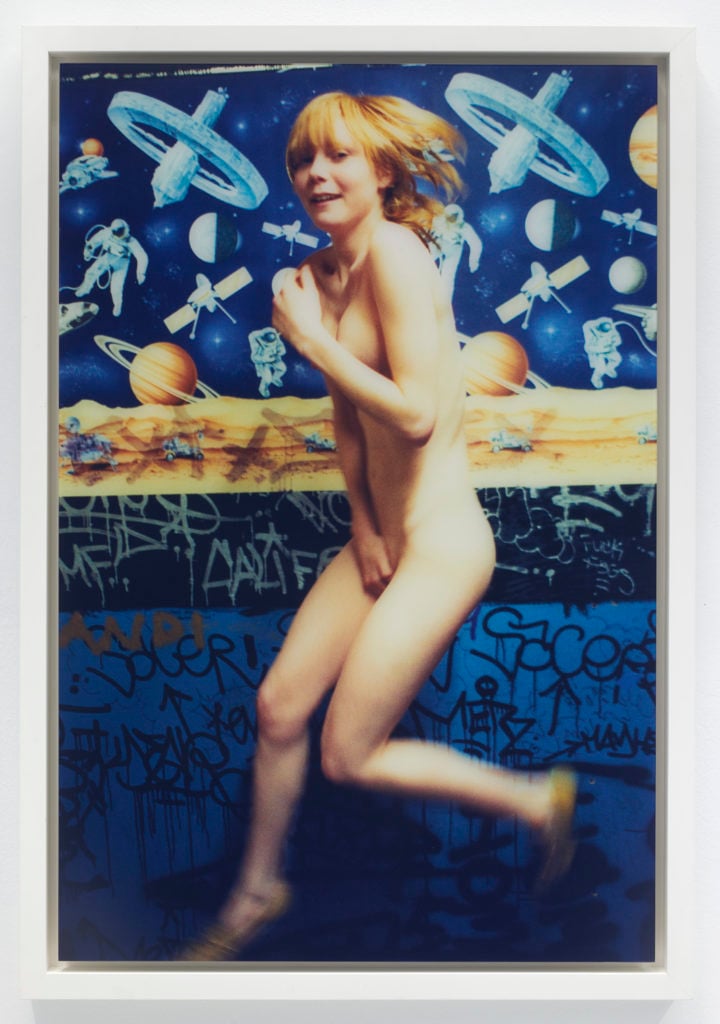
Ryan McGinley, Lizzy (2002).
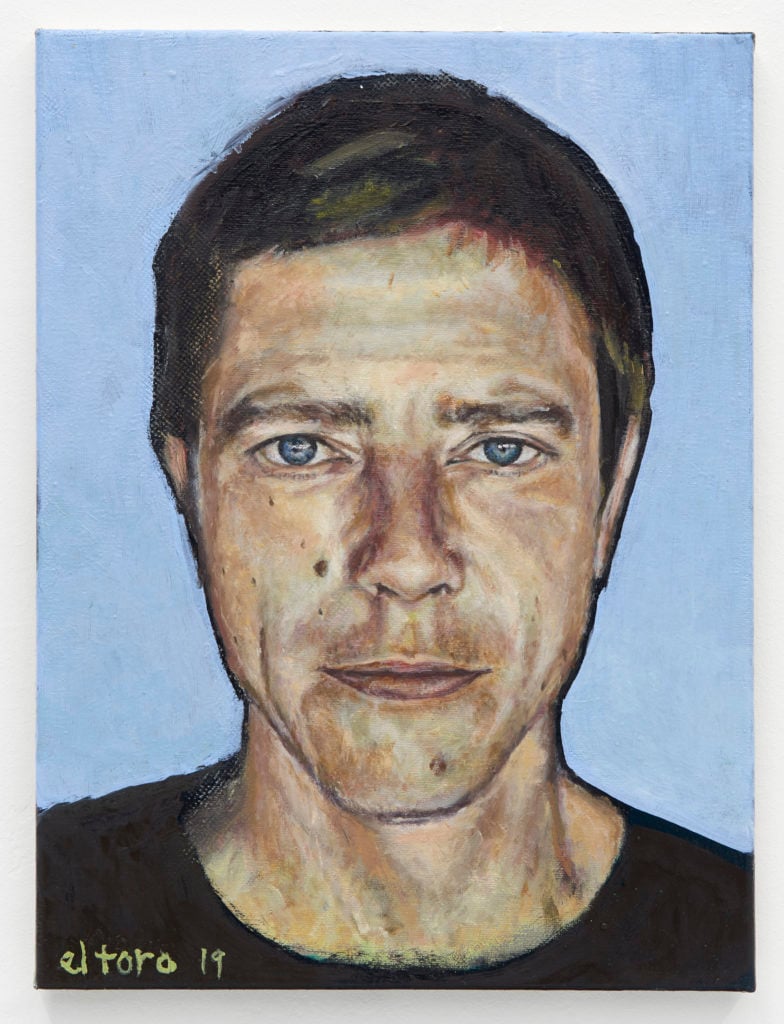
Paul Banks, To Be Titled
(2019).
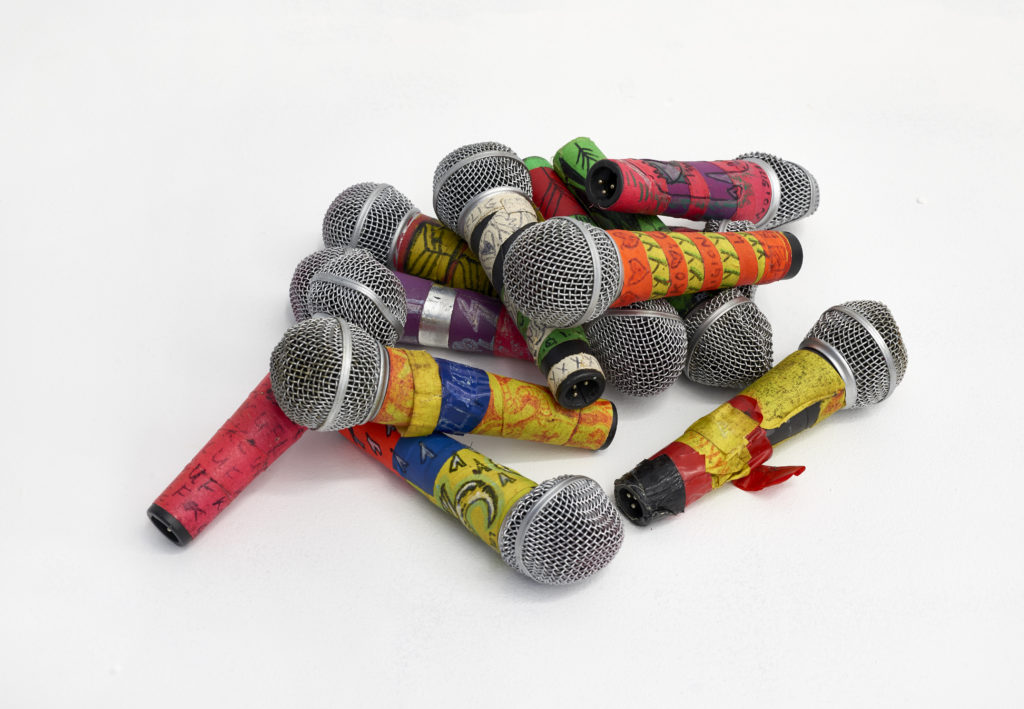
Karen O, Assorted Mics, 2003–15.
The post Relive the Heady Days of the Early 2000s New York
Garage Rock Revival in This New Show Featuring the Strokes and the
Yeah Yeah Yeahs appeared first on artnet News.
Read more https://news.artnet.com/exhibitions/interpol-strokes-the-hole-1637038
Further reading


Leave a comment